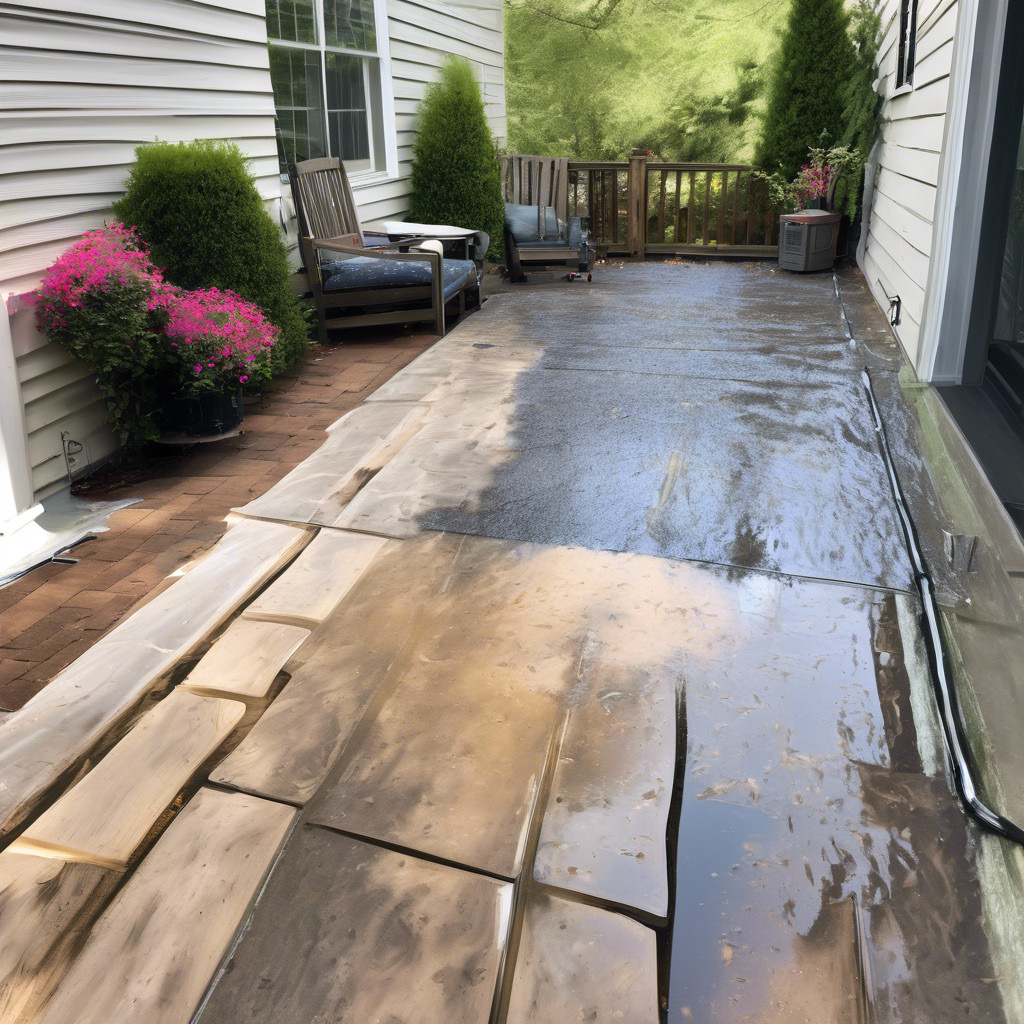
What is Concrete Cutting and Why is it Important?

construction news for Concrete Cutting

Concrete is one of the most widely used building materials in the world due to its strength, durability, and versatility. From skyscrapers to bridges, sidewalks to foundations, concrete plays a critical role in modern construction. However, working with concrete requires precision, and one of the most crucial techniques in construction and demolition projects is concrete cutting.

Concrete cutting is the process of using specialized tools and techniques to cut, shape, or remove concrete structures. This method is essential in construction, renovation, and demolition projects to ensure accuracy and efficiency. Whether it’s cutting expansion joints, creating openings for doors and windows, or removing damaged sections, concrete cutting plays a vital role in the industry.

This article explores the fundamentals of concrete cutting, the tools and techniques used, its applications, and why it is crucial for construction projects.

Understanding Concrete Cutting

Concrete cutting is not as simple as using a saw to cut through a piece of wood. Due to the dense and reinforced nature of concrete, specialized tools such as diamond blades, wall saws, wire saws, and core drills are used to achieve precise cuts. The process involves different techniques depending on the project requirements, including slab sawing, wall sawing, core drilling, and wire sawing.

Cutting concrete requires expertise and careful planning to avoid structural damage. Professionals use advanced equipment to ensure the cuts are clean, safe, and efficient, minimizing risks such as cracking or unnecessary destruction.

The Different Methods of Concrete Cutting

There are several methods used in concrete cutting, each serving different purposes. The most common methods include:

Slab Sawing

Slab sawing, also known as flat sawing, is used to cut horizontal surfaces such as floors, roads, and bridge decks. This method uses a walk-behind saw with a diamond blade to make precise cuts. It is commonly used for trenching, road repairs, and expansion joint installation.

Wall Sawing

Wall sawing is a technique used to cut vertical surfaces, such as walls and ceilings. This method is ideal for creating doorways, windows, or HVAC openings. It requires a specialized track-mounted saw that can make precise, straight cuts through reinforced concrete.

Core Drilling

Core drilling is used when a round hole needs to be cut into concrete. This technique is essential for installing plumbing, electrical wiring, HVAC ducts, or anchor bolts. A core drill bit with a diamond tip is used to create holes of various diameters without damaging the surrounding structure.

Wire Sawing

Wire sawing is used for large-scale cutting projects where traditional saws cannot be used. This technique involves a wire embedded with diamond segments that cut through thick concrete structures. It is often used for bridge and building demolition.

The Importance of Concrete Cutting

Concrete cutting is essential for many reasons in the construction and demolition industry. Here’s why it is so important:

Precision and Accuracy

Modern construction requires precise cuts for doors, windows, expansion joints, and plumbing installations. Concrete cutting ensures clean, accurate cuts that align with architectural and engineering designs.

Efficiency and Time-Saving

Traditional methods of breaking concrete, such as jackhammering, are labor-intensive and time-consuming. Concrete cutting provides a faster and more efficient solution, reducing project timelines and labor costs.

Minimized Structural Damage

Using the right concrete cutting techniques helps prevent unnecessary cracks and structural weaknesses. This ensures the integrity of the building or structure is maintained.

Safety

Professional concrete cutting reduces the risks of accidents associated with manual demolition methods. With advanced saws and drilling techniques, workers can operate with better control and safety.

Noise and Dust Reduction

Traditional demolition methods create excessive noise, dust, and vibrations. Concrete cutting, especially when using wet-cutting methods, significantly reduces dust pollution and maintains a safer work environment.

Versatility and Adaptability

Concrete cutting is used in a variety of industries, from residential construction to infrastructure development. Whether it’s for modifying an existing structure or completely demolishing a section, concrete cutting is an adaptable solution.

Applications of Concrete Cutting

Concrete cutting is used in various construction and demolition scenarios, including:

Roadwork and Infrastructure – Cutting concrete for road repairs, bridges, and tunnels.

Building Renovations – Creating openings for doors, windows, and staircases.

Plumbing and Electrical Installations – Drilling holes for pipes, wiring, and ventilation systems.

Demolition Projects – Controlled removal of concrete structures in a safe manner.

Commercial and Industrial Construction – Modifying or expanding existing buildings.

Choosing the Right Concrete Cutting Professional

Since concrete cutting requires precision and expertise, hiring qualified professionals is crucial. Here are some factors to consider when selecting a concrete cutting service:

Experience and Reputation – Look for contractors with a proven track record and positive reviews.

Advanced Equipment – Ensure the company uses high-quality, industry-standard tools.

Safety Compliance – The company should adhere to OSHA and industry safety regulations.

Cost Efficiency – Compare prices and choose a service that offers value without compromising quality.

Customer Support – A reliable contractor should offer excellent customer service and consultation.

Conclusion

Concrete cutting is a fundamental aspect of modern construction and demolition projects. It ensures precision, efficiency, and safety while reducing structural damage and project costs. With advanced tools and techniques, concrete cutting allows for seamless modifications, repairs, and installations in buildings, roads, and infrastructure projects.

Whether you need to create openings, install utilities, or remove concrete sections, professional concrete cutting services are essential. By choosing experienced professionals and the right cutting methods, construction projects can be completed smoothly, on time, and with minimal disruption.

If you’re planning a construction or renovation project, investing in professional concrete cutting services will ensure quality results and a more efficient workflow.


The Importance of a Site Plan in Construction

construction news for Site Plan

In the world of construction, a well-thought-out site plan is the backbone of a successful project. Whether it is a residential home, a commercial building, or a large-scale development, site plans serve as a roadmap that ensures efficient use of space, compliance with zoning laws, and seamless project execution. Without a site plan, construction projects are prone to errors, delays, and potential legal complications that can lead to cost overruns and setbacks.

A site plan, often referred to as a plot plan, is a detailed drawing that illustrates the layout of a construction project on a given plot of land. It includes critical information such as property boundaries, building footprints, landscape elements, driveways, utility connections, and drainage systems. Site plans also take into account important factors such as environmental concerns, topography, and accessibility.

This article will explore the importance of site plans in construction, emphasizing their role in regulatory compliance, efficient resource allocation, risk mitigation, and overall project success.

The Role of Site Plans in Construction

Ensuring Compliance with Zoning and Building Regulations

One of the most critical functions of a site plan is ensuring compliance with local zoning laws and building codes. Zoning regulations dictate how land can be used, including restrictions on building size, height, setbacks, and permissible land uses. A comprehensive site plan provides a clear representation of how the proposed construction adheres to these regulations, helping to secure necessary approvals from local authorities.

In addition to zoning laws, site plans also address environmental regulations, such as stormwater management, tree preservation, and wetlands protection. Many municipalities require developers to submit detailed site plans as part of the permit application process to ensure that the construction does not negatively impact the environment or neighboring properties.

Maximizing Land Use Efficiency

A well-designed site plan optimizes land use by considering factors such as space allocation, building orientation, and natural topography. Effective site planning helps developers make the most of the available land while ensuring that essential features, such as parking lots, sidewalks, green spaces, and utility infrastructure, are properly integrated.

Proper land use planning also enhances functionality and aesthetics. For example, in residential developments, site planning ensures that homes are positioned to maximize natural light, ventilation, and privacy. In commercial projects, an efficient layout can improve customer accessibility and traffic flow, ultimately contributing to the success of businesses operating within the development.

Improving Safety and Risk Management

Safety is a paramount concern in construction, and site plans play a crucial role in identifying and mitigating potential hazards. By carefully planning the placement of structures, roadways, and utilities, site plans help prevent accidents and ensure safe access for both construction crews and future occupants.

Site plans also address emergency access routes, ensuring that first responders can quickly reach the site in case of a fire or medical emergency. Furthermore, by incorporating drainage and erosion control measures, site plans help prevent flooding, soil displacement, and other environmental risks that could compromise the integrity of the project.

Facilitating Coordination Among Stakeholders

Construction projects involve multiple stakeholders, including architects, engineers, contractors, investors, and local government officials. A site plan serves as a communication tool that aligns all parties with a shared vision of the project.

By providing a visual representation of the project layout, site plans help architects design structures that complement the overall landscape, engineers plan for essential infrastructure, and contractors execute construction with precision. Clear site planning reduces misunderstandings, enhances collaboration, and minimizes costly rework due to misaligned expectations.

Enhancing Environmental Sustainability

Incorporating sustainable practices in construction is becoming increasingly important, and site planning plays a key role in achieving environmental goals. Sustainable site plans consider factors such as energy efficiency, water conservation, and the preservation of natural features.

For example, strategic building placement can reduce energy consumption by optimizing natural lighting and ventilation. Green infrastructure, such as rain gardens and permeable pavements, can enhance stormwater management and reduce the environmental impact of urban development. Thoughtful site planning ensures that projects contribute to environmental sustainability rather than depleting natural resources.

Streamlining Project Execution and Reducing Costs

A well-developed site plan provides a clear blueprint for construction, streamlining project execution and reducing the likelihood of costly mistakes. By identifying potential challenges in advance, such as soil conditions, grading issues, and utility connections, site plans help prevent unexpected delays and budget overruns.

In addition, efficient site planning minimizes material waste and optimizes resource allocation. For example, a properly planned layout can reduce the amount of excavation and grading required, leading to cost savings in labor and materials. Contractors can also use site plans to sequence construction activities more effectively, improving overall efficiency.

Conclusion

A site plan is an indispensable component of any construction project, serving as a foundational tool that guides project success. By ensuring compliance with regulations, maximizing land use efficiency, improving safety, and facilitating coordination among stakeholders, site plans play a critical role in the seamless execution of construction projects.

Moreover, site planning contributes to environmental sustainability and helps streamline construction processes, ultimately saving time and money. Developers, architects, and contractors who prioritize comprehensive site planning set the stage for successful, efficient, and responsible construction projects.

In a rapidly growing construction industry, investing in a well-crafted site plan is not just a best practice—it is a necessity. Whether for residential, commercial, or large-scale developments, a meticulous site plan is the key to turning visionary projects into reality with precision and success.

How Decorative Concrete Can Transform Your Home

home improvement news for Decorative Concrete

Decorative concrete has become a game-changer in the realm of home improvement. From enhancing curb appeal to increasing the functionality and style of interior spaces, decorative concrete offers a versatile, durable, and cost-effective solution for homeowners looking to elevate their living spaces. In this article, we’ll explore how decorative concrete can improve your home, both inside and out, and why it’s an option worth considering for your next renovation project.


The Rising Popularity of Decorative Concrete

In recent years, decorative concrete has gained significant traction among homeowners, architects, and designers. Traditionally, concrete was seen as a purely utilitarian material—a strong and reliable option for foundations and driveways but far from aesthetically pleasing. However, advances in concrete technology and design have transformed this perception. Decorative concrete now offers an array of finishes, colors, and textures that mimic high-end materials like stone, brick, and wood at a fraction of the cost.

Moreover, the durability and low-maintenance nature of concrete make it an appealing choice for busy households. From stamped and stained patterns to polished and engraved designs, the possibilities with decorative concrete are virtually endless.


Enhancing Outdoor Spaces

Driveways and Walkways

Your driveway and walkways are often the first things visitors notice about your home. Decorative concrete can turn these functional spaces into striking features. Stamped concrete, for instance, can replicate the appearance of cobblestone, slate, or even timber, adding a touch of sophistication to your property. Colored concrete can complement the overall aesthetic of your home, creating a cohesive and inviting look.

Concrete’s durability ensures that your driveway and walkways will withstand heavy traffic, harsh weather conditions, and wear over time. Additionally, it requires minimal maintenance compared to other materials like asphalt or natural stone.

Patios and Pool Decks

A beautifully designed patio or pool deck can become the heart of outdoor living. Decorative concrete allows you to create stunning spaces that are both practical and visually appealing. Options like textured overlays, integral coloring, and exposed aggregate provide homeowners with endless design possibilities.

Moreover, slip-resistant finishes can be applied to enhance safety around pool areas. Decorative concrete’s ability to withstand exposure to water, UV rays, and temperature fluctuations ensures that your outdoor spaces will look great for years to come.


Transforming Indoor Spaces

Stylish Flooring

Decorative concrete flooring is a modern, durable, and stylish alternative to traditional flooring materials like hardwood, tile, or carpet. Polished concrete, for example, creates a sleek and contemporary look that’s perfect for kitchens, living rooms, and even bedrooms. With various staining techniques, you can achieve rich hues and marbled effects that rival high-end stone floors.

Additionally, concrete floors are hypoallergenic, easy to clean, and resistant to scratches, making them ideal for families with pets or children. Their energy efficiency is another perk: concrete’s thermal mass helps regulate indoor temperatures, keeping your home cool in the summer and warm in the winter.

Countertops and Tabletops

Concrete countertops and tabletops are another innovative application of decorative concrete. These surfaces can be customized to fit any shape, size, or style. From sleek, minimalist designs to rustic, textured finishes, decorative concrete countertops offer a unique blend of form and function.

Concrete’s ability to be integrated with materials like glass, stones, or embedded patterns allows for truly personalized designs. Additionally, sealed concrete surfaces are resistant to stains and heat, making them a practical choice for kitchens and dining areas.


The Benefits of Decorative Concrete

Cost-Effective

One of the most significant advantages of decorative concrete is its affordability. While it mimics the appearance of more expensive materials, it typically costs much less. This makes it an excellent option for homeowners on a budget who still want to achieve a high-end look.

Durability and Longevity

Concrete is renowned for its strength and durability. Decorative concrete is no exception, offering resistance to heavy foot traffic, weather extremes, and wear and tear. When properly installed and maintained, decorative concrete can last for decades.

Low Maintenance

Unlike wood, stone, or tile, decorative concrete requires minimal upkeep. Regular sweeping and occasional resealing are usually enough to keep it looking its best. This low-maintenance nature makes it a practical choice for busy homeowners.

Eco-Friendly

Decorative concrete is also an environmentally friendly option. Its longevity reduces the need for replacement materials, while its ability to reflect light can improve energy efficiency by reducing the need for artificial lighting. Moreover, concrete can often be sourced locally, reducing transportation emissions.


Customization and Design Flexibility

One of the most compelling aspects of decorative concrete is its versatility. With a vast range of colors, patterns, and finishes available, homeowners can achieve virtually any aesthetic. Whether you prefer the rustic charm of wood, the elegance of marble, or the industrial appeal of exposed concrete, there’s a decorative concrete solution to match your vision.

Techniques such as stamping, staining, engraving, and polishing allow for endless customization. Additionally, skilled contractors can incorporate unique designs, logos, or textures, making your space truly one of a kind.


Things to Consider

While decorative concrete offers numerous benefits, there are some factors to keep in mind:

Installation Expertise: Proper installation is crucial to achieving the desired look and performance. Always hire experienced professionals with a proven track record in decorative concrete work.

Initial Costs: While decorative concrete is cost-effective in the long term, the initial installation costs can be higher than other materials. However, its durability and low maintenance often offset this investment over time.

Resealing Needs: To maintain its appearance and protect it from stains or wear, decorative concrete should be resealed periodically. The frequency depends on the specific application and level of use.


Conclusion

Decorative concrete is a transformative solution for homeowners looking to enhance the beauty, functionality, and value of their homes. Its versatility, durability, and cost-effectiveness make it a smart choice for a wide range of applications, from outdoor patios and driveways to indoor flooring and countertops. With countless design possibilities and a growing array of techniques, decorative concrete offers a perfect blend of style and practicality. Whether you’re planning a small upgrade or a complete renovation, decorative concrete can help you achieve a home that’s as stunning as it is functional.

The Hidden Dangers of Water Damage in Your Home

home improvement news for Water Damage

Water damage is a homeowner’s nightmare. While it may seem like a minor inconvenience at first—a small leak here or a damp patch there—the repercussions of water damage can be extensive, expensive, and dangerous. Understanding the effects of water damage on a home is crucial for prevention, timely intervention, and effective remediation. This article delves into the various ways water damage can impact your home, from structural degradation to health risks, and offers insights into how you can protect your property.

What Causes Water Damage?

Before diving into its effects, it’s important to understand what causes water damage. Common sources include:

Plumbing Issues: Burst pipes, leaky faucets, or aging plumbing systems can cause significant water damage.

Roof Leaks: Damaged shingles or clogged gutters can allow water to seep into your home.

Natural Disasters: Floods, hurricanes, and heavy rains are some of the most devastating causes of water damage.

Appliance Malfunctions: Washing machines, dishwashers, and water heaters can fail, releasing large amounts of water.

Poor Drainage Systems: Improper drainage can lead to water pooling around your home’s foundation.

Each of these scenarios has the potential to wreak havoc on your home, leading to both immediate and long-term effects.

The Immediate Effects of Water Damage

Water damage doesn’t waste time. Within minutes, it begins to take a toll on your home:

Staining and Discoloration: Water can cause unsightly stains on walls, ceilings, and floors.

Swelling and Warping: Wooden materials, such as floors and furniture, absorb water quickly, leading to swelling and warping.

Electrical Hazards: Water exposure to electrical outlets and appliances creates a significant risk of shock or fire.

While these effects might seem manageable, the true danger lies in the long-term consequences of untreated water damage.

Long-Term Effects of Water Damage

Structural Compromise

Water is relentless. Over time, even a small leak can weaken the structural integrity of your home.

Rotting Wood: Wooden beams, floors, and joists can rot, jeopardizing the stability of your home.

Cracked Foundations: Water seeping into the foundation can cause cracks, leading to uneven floors and walls.

Ceiling and Wall Damage: Persistent water exposure weakens drywall and plaster, making them prone to crumbling.

Mold and Mildew Growth

One of the most insidious effects of water damage is mold growth. Mold thrives in damp environments and can spread rapidly.

Health Risks: Mold exposure can cause respiratory issues, allergies, and other health problems, particularly for individuals with asthma or weakened immune systems.

Property Damage: Mold can ruin carpets, furniture, and other personal belongings, making them unsalvageable.

Increased Energy Costs

Water damage can compromise your home’s insulation, making it less effective. As a result, your heating and cooling systems have to work harder, leading to higher energy bills.

Decreased Property Value

A home with water damage—or a history of it—is less appealing to buyers. Visible damage, mold, and structural issues can significantly lower your property’s market value.

Health Implications of Water Damage

The effects of water damage extend beyond your home; they can also impact your health. Prolonged exposure to damp conditions and mold can lead to:

Respiratory Problems: Damp environments can exacerbate conditions like asthma and bronchitis.

Allergic Reactions: Mold spores can trigger allergies, causing symptoms such as sneezing, runny nose, and itchy eyes.

Toxic Mold Exposure: Certain types of mold, like black mold (Stachybotrys chartarum), produce mycotoxins that can have severe health consequences.

How to Prevent Water Damage

Prevention is always better than cure. Here are some tips to safeguard your home against water damage:

Regular Inspections

Check for leaks in plumbing, roofs, and windows regularly.

Inspect your foundation for cracks and address them promptly.

Maintain Gutters and Downspouts

Keep gutters clean and free of debris to prevent water overflow.

Ensure downspouts direct water away from your home’s foundation.

Install Water Alarms

Water alarms can alert you to leaks early, minimizing damage.

Invest in a Sump Pump

A sump pump can prevent basement flooding by directing water away from your home.

Seal Vulnerable Areas

Use waterproof sealants on windows, doors, and basements to keep water out.

How to Address Water Damage

If you’re dealing with water damage, acting quickly is key. Here’s a step-by-step guide:

Stop the Source

Identify and stop the source of water, whether it’s a burst pipe or a leaking roof.

Remove Standing Water

Use a wet vacuum, buckets, or professional services to remove water promptly.

Dry the Area

Use fans, dehumidifiers, and proper ventilation to dry the affected areas thoroughly.

Disinfect

Clean and disinfect surfaces to prevent mold and bacteria growth.

Consult Professionals

For extensive damage, hire water damage restoration experts to ensure thorough remediation.

Conclusion

Water damage may start small, but its effects can ripple through your home and life in devastating ways. From weakening your home’s structure to posing serious health risks, the consequences of water damage should never be underestimated. By understanding its causes, immediate impacts, and long-term dangers, you can take proactive steps to protect your home. Remember, prevention and early intervention are your best defenses against the destructive power of water damage.

What Is a Dimcon Survey?

world news for Dimcon Survey

In today’s rapidly evolving construction and infrastructure landscape, ensuring safety, precision, and compliance is more critical than ever. One of the tools that aid in achieving these objectives is a Dimcon survey. While the term may not be familiar to everyone, especially outside industry circles, it plays a vital role in the planning and execution of various projects. This article will explore what a Dimcon survey is, its applications, benefits, and why it’s indispensable in the modern construction and engineering sectors.


Understanding Dimcon Surveys

A Dimcon survey, short for Dimensional Control Survey, is a specialized surveying method used to measure and map the dimensions of a physical site or structure with high accuracy. These surveys are integral to ensuring that construction projects meet design specifications and adhere to precise spatial requirements. By utilizing advanced tools and techniques, Dimcon surveys provide detailed insights into a project’s dimensional parameters, identifying any discrepancies that could lead to errors or delays.

Dimcon surveys are commonly performed using advanced equipment such as laser scanners, total stations, and GPS systems. The data collected is processed and analyzed to create accurate 3D models or detailed schematics. These outputs allow stakeholders to visualize, plan, and execute projects with confidence.


Key Components of a Dimcon Survey

Equipment and Technology

Dimcon surveys rely on cutting-edge technology to capture precise measurements. Equipment like robotic total stations and terrestrial laser scanners are often employed to achieve sub-millimeter accuracy. GPS devices and drones may also be used for larger, open sites.

Planning and Execution

Before conducting a Dimcon survey, a detailed plan is created to identify the key areas of focus and ensure that the survey addresses the specific needs of the project. Surveyors coordinate with engineers, architects, and project managers to align objectives.

Data Collection

The data collection phase involves capturing measurements of distances, angles, and elevations. Advanced tools record this data digitally, minimizing errors and ensuring consistency.

Analysis and Reporting

The collected data is analyzed to create 3D models, point clouds, or detailed schematics. These deliverables provide a clear representation of the site or structure, highlighting any deviations from design plans.


Applications of Dimcon Surveys

Dimcon surveys have a wide range of applications across various industries. Here are some key areas where they are indispensable:

Construction Projects

In construction, Dimcon surveys are used to verify that structures are built to design specifications. This includes ensuring alignment, elevation, and dimensional accuracy during every phase of the project.

Oil and Gas Industry

Dimcon surveys are critical in the oil and gas sector, where precision is paramount. These surveys help ensure the proper installation of pipelines, rigs, and processing facilities.

Manufacturing and Industrial Plants

Factories and industrial plants often require Dimcon surveys for machinery alignment, facility expansion, and maintenance planning.

Heritage and Restoration Projects

For historical buildings, Dimcon surveys provide accurate data to aid in restoration efforts while preserving the original structure’s integrity.

Infrastructure Development

Large-scale infrastructure projects like bridges, tunnels, and railways depend on Dimcon surveys to ensure safety and structural integrity.


Benefits of Dimcon Surveys

Enhanced Accuracy

Dimcon surveys provide unparalleled precision, reducing the risk of costly errors during construction and other projects.

Time and Cost Efficiency

By identifying potential issues early, these surveys help prevent delays and minimize expenses related to rework or material waste.

Improved Communication

Dimcon survey deliverables, such as 3D models, facilitate better communication among stakeholders by providing a clear and unified understanding of the project.

Risk Mitigation

These surveys play a crucial role in identifying hazards and ensuring compliance with safety standards, thus reducing risks to workers and the public.

Versatility

The adaptability of Dimcon surveys to various industries and project types makes them an invaluable tool for diverse applications.


The Role of Professionals in Dimcon Surveys

Dimcon surveys require skilled professionals with expertise in both the technology and the specific industry. Professional surveyors ensure that the data collected is accurate, relevant, and actionable. Their role extends beyond data collection to include analysis, reporting, and providing recommendations based on survey findings.

Collaborating with experienced professionals ensures that the Dimcon survey meets the unique requirements of each project, contributing to its overall success.


Tools and Software Used in Dimcon Surveys

The effectiveness of Dimcon surveys depends heavily on the tools and software employed. Some of the most commonly used tools include:

Laser Scanners: Capture detailed point clouds for 3D modeling.

Total Stations: Measure distances and angles with high precision.

Drones: Provide aerial data for large sites.

CAD Software: Used to create detailed schematics and 3D models.

BIM Tools: Enable the integration of survey data into Building Information Modeling systems.


Challenges in Dimcon Surveys

Despite their numerous benefits, Dimcon surveys come with challenges:

High Initial Costs

The advanced equipment and skilled professionals required can make Dimcon surveys costly.

Data Management

Processing and managing the vast amounts of data collected can be complex and time-consuming.

Environmental Factors

Weather conditions and site accessibility can impact the efficiency and accuracy of the survey process.


Conclusion

A Dimcon survey is a powerful tool that combines advanced technology and expertise to deliver precise, actionable insights for a variety of projects. Whether it’s ensuring the alignment of a skyscraper or preserving a centuries-old cathedral, Dimcon surveys play a critical role in modern engineering and construction.

By investing in Dimcon surveys, stakeholders can achieve greater accuracy, efficiency, and safety, ensuring the success of their projects. As technology continues to advance, the potential applications and benefits of Dimcon surveys will only expand, solidifying their importance in the world of construction and beyond.

How to Hire a Pressure Washing Company: A Comprehensive Guide

home improvement news for Pressure Washing

Pressure washing is a highly effective method for cleaning a wide range of surfaces, from driveways and sidewalks to the exterior of your home. However, while many homeowners may be tempted to rent or buy a pressure washer for DIY cleaning, there are compelling reasons to hire a professional pressure washing company instead. Pressure washing requires skill, the right equipment, and knowledge of how to tackle different types of surfaces without causing damage. But with so many options available, how can you ensure that you hire the best pressure washing company for your needs?

In this comprehensive guide, we will walk you through the steps to hiring a reliable, professional pressure washing company. From understanding the services they offer to the factors you should consider when choosing a company, this guide will ensure that you make an informed decision. By the end of this article, you’ll be equipped with all the information you need to hire a pressure washing company that will deliver excellent results.

Understanding Pressure Washing Services

Before diving into how to hire a pressure washing company, it’s essential to understand what services are typically offered. Pressure washing, also known as power washing, involves using a high-pressure water spray to remove dirt, grime, mold, mildew, and other contaminants from surfaces. Here are some of the common services offered by pressure washing companies:

Residential Pressure Washing – This includes cleaning the exterior of homes, driveways, walkways, patios, and decks. Professional pressure washing ensures that your property’s exterior looks pristine, free from algae, moss, and stubborn stains.

Commercial Pressure Washing – Businesses, office buildings, storefronts, and parking lots require regular pressure washing to maintain a clean and inviting appearance. Pressure washing is also used for graffiti removal, dumpster pad cleaning, and other commercial applications.

Roof Cleaning – Roofs can accumulate mold, mildew, algae, and dirt, which can cause long-term damage if left untreated. Specialized roof cleaning services use low-pressure washing techniques to safely clean your roof without damaging shingles.

Gutter Cleaning – Clogged gutters can lead to water damage and other costly issues. Pressure washing companies often offer gutter cleaning services to ensure that water flows freely.

Fleet Washing – Companies with a fleet of vehicles often hire pressure washing companies to clean their cars, trucks, or service vehicles regularly.

Understanding the variety of services can help you choose the right company for your specific needs. Whether you’re looking to clean your home’s siding, maintain your business’ curb appeal, or restore the appearance of a driveway, a pressure washing company will have the expertise to handle the job.

Why Hire a Professional Pressure Washing Company?

You might be asking, why not just rent a pressure washer and do the job yourself? While renting equipment and tackling the job on your own might seem like an easy way to save money, there are several compelling reasons why hiring a professional is often the better choice:

Experience and Expertise – Professional pressure washers have experience working with various surfaces and materials. They know the right pressure settings to use, the cleaning agents that are safe for each surface, and the techniques that will give you the best results without causing damage.

Proper Equipment – A high-quality pressure washing company will use advanced, industrial-grade equipment that delivers powerful results. This equipment is far more effective and efficient than what you would rent from a hardware store.

Time and Convenience – Pressure washing can be a time-consuming and physically demanding task. Hiring professionals allows you to save time and effort, as they will handle the entire process from start to finish.

Safety – Pressure washing can be dangerous if not done properly. High-pressure water streams can cause injury, and improper handling of the equipment can damage your property. Professionals are trained to handle the equipment safely, reducing the risk of accidents and property damage.

Long-Term Results – Professionals know how to maintain the long-term cleanliness of your surfaces by using the appropriate techniques and equipment. When you hire a pressure washing company, you are more likely to get longer-lasting results.

How to Choose the Right Pressure Washing Company

Now that you understand the importance of hiring a professional, it’s time to discuss how to choose the best pressure washing company for your needs. Here are some essential factors to consider:

Check for Licensing and Insurance

Always ensure that the pressure washing company you hire is licensed and insured. A reputable company should carry general liability insurance to protect against potential damage to your property or injuries that may occur during the job. This is a critical step in protecting yourself from financial liability.

Experience and Reputation

Experience matters when it comes to pressure washing. Look for companies with a proven track record of successful projects. You can check online reviews, ask for client references, or look for recommendations from friends or family to ensure that the company has a good reputation. Experience will also ensure that the company understands how to handle different surfaces without causing harm.

Ask About the Equipment and Techniques

The type of equipment used plays a major role in the results of the job. A reputable pressure washing company should use high-quality equipment suited to the specific needs of your property. Additionally, ask about the techniques they use, especially for delicate surfaces such as roofs or painted areas. They should be able to adjust water pressure and use eco-friendly detergents when necessary.

Get Multiple Quotes

It’s important to get quotes from at least two or three companies before making a decision. Be sure to ask for a breakdown of costs so you can compare pricing. Keep in mind that the cheapest option may not always provide the best service, and you should consider the quality of work, the company’s reputation, and the services offered in addition to the price.

Ask About Specialization

Some pressure washing companies specialize in certain areas, such as roof cleaning or commercial services. If you have specific needs, such as cleaning delicate surfaces or removing stubborn stains, look for a company that has experience in that area. Specialized knowledge and expertise can make a significant difference in the outcome of the job.

Look for Satisfaction Guarantees

Many reputable companies offer satisfaction guarantees to ensure that their clients are happy with the results. A company that stands behind its work is a sign of professionalism and commitment to providing top-quality service.

Environmental Responsibility

If you are environmentally conscious, ask about the detergents and cleaning agents the company uses. Some pressure washing companies now offer eco-friendly options that are safe for plants, pets, and the environment. This is an important consideration if you want to minimize your environmental impact.

The Hiring Process: Step-by-Step

Now that you know what to look for, here is a step-by-step guide on how to hire a pressure washing company:

Research Potential Companies: Begin by researching pressure washing companies in your area. Check online reviews, ask for recommendations, and visit their websites to get more information about the services they offer.

Request a Quote: Reach out to a few companies to request quotes. Provide them with detailed information about the surfaces you want cleaned and any specific requirements you may have. The more information you provide, the more accurate the quote will be.

Ask Questions: During the initial consultation, ask about their experience, equipment, techniques, and pricing. A professional company will be happy to answer your questions and provide you with all the information you need.

Schedule the Job: Once you have selected a company, schedule a time for the job. Make sure to confirm the details, such as the date, time, and specific areas to be cleaned.

Inspect the Results: After the job is completed, inspect the work to ensure everything meets your expectations. If you are not satisfied, a reputable company should be willing to address any issues or concerns.

Conclusion

Hiring a pressure washing company is a great way to keep your property looking fresh and well-maintained. By understanding the services they offer and following the steps outlined in this guide, you can confidently hire a professional that will deliver excellent results. Remember to choose a company with experience, proper licensing and insurance, and a solid reputation for quality work. With the right pressure washing company, your home or business will shine with curb appeal and cleanliness.

The Science Behind Flame Retardant Fabric: How It’s Made and Why It’s Essential

US News for flame retardant fabric material

Flame retardant fabrics are essential materials in industries where safety, functionality, and compliance with strict regulations are paramount. From protective clothing for firefighters to drapery in commercial spaces, these fabrics reduce fire risks and offer peace of mind. Understanding how flame retardant fabric is made and why it’s so crucial can shed light on its widespread use and importance in modern life.

Fires pose a significant threat to life, property, and the environment. Whether in residential, commercial, or industrial settings, the risk of fire demands proactive measures. One of these measures is using flame retardant fabric. This innovative material plays a vital role in preventing fires from spreading, protecting individuals, and reducing damage in hazardous situations.

But how is flame retardant fabric created? What makes it effective in withstanding flames? And why should industries and individuals prioritize its use? This article delves into the intricate process of manufacturing flame retardant fabric, explores its critical applications, and highlights the reasons it is a cornerstone of fire safety.


How Flame Retardant Fabric is Made

The production of flame retardant fabric involves advanced chemical and engineering processes designed to enhance the material’s ability to resist ignition and prevent flames from spreading. The key lies in both the type of fabric used and the treatment it undergoes.

Selection of Base Material

Not all fabrics are created equal when it comes to fire resistance. The base material significantly influences the final product’s flame retardant properties. Common base materials include:

Natural fibers: Cotton, wool, and silk are treated to achieve flame resistance.

Synthetic fibers: Polyester, nylon, and acrylic can be inherently flame retardant or treated post-manufacturing.

Blended fibers: A mix of natural and synthetic fibers combines durability and comfort with enhanced fire resistance.

Flame Retardant Treatments

Flame retardant properties are introduced in one of two ways:

Inherent Flame Retardancy

Some fabrics are inherently flame retardant due to their chemical composition. For example, aramid fibers like Nomex are engineered at the molecular level to resist fire. This intrinsic quality makes them ideal for applications such as firefighting gear and military uniforms.

Chemical Treatment

In many cases, fabrics are treated with flame retardant chemicals to enhance their resistance. This process typically involves:

Surface Coating: A flame retardant solution is applied to the fabric’s surface, creating a protective barrier.

Immersion Treatment: Fabrics are dipped into a flame retardant solution, allowing the chemicals to penetrate the fibers.

Bonding: The chemicals are bonded to the fibers using heat or pressure, ensuring durability and longevity.

Testing and Quality Assurance

After treatment, the fabric undergoes rigorous testing to ensure compliance with fire safety standards such as NFPA (National Fire Protection Association) and ASTM (American Society for Testing and Materials). Testing involves exposing the fabric to flames to measure its ignition resistance, burn rate, and self-extinguishing capabilities.

Finishing Touches

Once the flame retardant properties are confirmed, the fabric is further processed to enhance its usability. This may include dyeing, printing, or laminating for aesthetic and functional purposes.


Applications of Flame Retardant Fabric

Flame retardant fabrics are indispensable in a wide range of industries. Their applications demonstrate their versatility and importance in ensuring safety.

Protective Clothing

Industries with high fire risks, such as firefighting, oil and gas, and electrical work, rely heavily on flame retardant clothing. These garments protect workers from thermal hazards, reducing the risk of burns and injuries.

Home and Commercial Interiors

Flame retardant fabrics are commonly used in upholstery, curtains, and carpets in both residential and commercial settings. By slowing the spread of flames, they provide occupants with valuable time to evacuate during a fire.

Transportation

The automotive, aerospace, and marine industries utilize flame retardant materials for seat covers, carpeting, and insulation. These fabrics ensure passenger safety and meet stringent regulatory requirements.

Tents and Outdoor Gear

Outdoor enthusiasts benefit from flame retardant tents, sleeping bags, and camping gear. These products minimize fire risks in natural settings where accidental fires can have devastating consequences.

Industrial Applications

Flame retardant fabrics are used in industrial environments for safety curtains, conveyor belts, and insulation materials. These fabrics help protect equipment and workers from potential fire hazards.


Why Flame Retardant Fabric is Important

Flame retardant fabric is not just a technical innovation; it is a life-saving material that addresses critical safety concerns. Here’s why it matters:

Protecting Lives

The foremost importance of flame retardant fabric lies in its ability to save lives. By resisting ignition and slowing the spread of fire, these fabrics provide people with crucial extra seconds to escape danger.

Meeting Regulatory Standards

Many industries are subject to strict fire safety regulations. Flame retardant fabrics ensure compliance, helping businesses avoid penalties while maintaining a safe environment for employees and customers.

Reducing Property Damage

By containing flames and reducing their intensity, flame retardant fabrics minimize property damage. This is especially important in commercial and industrial settings where fires can cause substantial financial losses.

Enhancing Durability

Fabrics treated with flame retardant chemicals often exhibit enhanced durability, making them resistant to wear and tear. This ensures a longer lifespan and better performance in demanding environments.

Supporting Sustainable Practices

Modern flame retardant treatments are increasingly eco-friendly, utilizing non-toxic chemicals and sustainable manufacturing processes. This aligns with global efforts to promote sustainability without compromising safety.


Challenges and Innovations in Flame Retardant Fabrics

While flame retardant fabrics offer significant benefits, their production and use come with challenges.

Environmental Concerns

Traditional flame retardant chemicals, such as halogenated compounds, have raised environmental and health concerns. Innovations in green chemistry are paving the way for safer, non-toxic alternatives.

Balancing Comfort and Safety

Flame retardant treatments can sometimes make fabrics stiff or uncomfortable. Advances in technology are addressing this issue by creating lightweight, breathable materials that retain their safety properties.

Cost

The production of flame retardant fabrics can be expensive. However, ongoing research and development aim to make these materials more accessible and cost-effective.


Conclusion

Flame retardant fabric is a cornerstone of fire safety, offering unparalleled protection in countless applications. From protective clothing to commercial interiors, these materials save lives, prevent property damage, and ensure regulatory compliance.

The meticulous process of creating flame retardant fabric—from selecting the right materials to applying advanced chemical treatments—demonstrates the complexity and importance of this innovation. As technology continues to evolve, flame retardant fabrics will likely become even more effective, sustainable, and accessible.

Whether you’re outfitting a firefighter, designing a safe workspace, or simply looking for peace of mind at home, flame retardant fabrics represent an essential investment in safety and protection. Understanding their creation and significance underscores the value they bring to modern life.

What is Chemical Inventory Management?

business news for Chemical Inventory Management

Managing chemicals efficiently and safely is critical in industries ranging from manufacturing to healthcare and research. Chemical inventory management is a structured process that ensures businesses track, handle, store, and dispose of chemicals in compliance with regulations and operational needs. This article explores the concept, importance, processes, and benefits of chemical inventory management, offering insights into its role in modern industries.

Every industry that relies on chemicals faces unique challenges. These materials, while essential for production, research, and services, come with risks such as toxicity, flammability, and environmental hazards. Mismanagement can lead to workplace accidents, regulatory penalties, and harm to employees or the environment.

Chemical inventory management is a systematic approach to keeping an accurate record of all chemicals within a facility. It involves tracking chemical quantities, locations, usage, and expiration dates, ensuring they are handled responsibly. But this practice isn’t merely about cataloging chemicals—it’s about ensuring safety, compliance, and operational efficiency.

The Importance of Chemical Inventory Management

Effective chemical inventory management is crucial for several reasons:

Safety
Chemicals, especially hazardous ones, pose risks to employees and the environment. Proper inventory systems ensure that safety data sheets (SDS) are accessible and that staff is informed about handling procedures. This minimizes accidents and exposure risks.

Regulatory Compliance
Regulatory bodies such as OSHA, EPA, and international equivalents require accurate records of chemicals on-site. Non-compliance can result in fines or operational shutdowns. Inventory management simplifies compliance by maintaining up-to-date records and ensuring safe storage and disposal practices.

Cost Efficiency
Overstocking chemicals leads to wasted resources, while understocking disrupts operations. A well-managed inventory optimizes purchasing and usage, reducing unnecessary expenses.

Environmental Protection
Managing chemicals responsibly prevents spills, leaks, and improper disposal, which can have long-lasting environmental impacts. An organized system also ensures that expired or unused chemicals are disposed of following environmental guidelines.

Operational Continuity
Accurate inventory ensures that production, research, or service processes are not interrupted due to missing materials. It also prevents redundant purchases and ensures that critical chemicals are always available.

Core Components of Chemical Inventory Management

A robust chemical inventory management system involves several key elements:

Chemical Database

The foundation of any inventory system is a comprehensive database that includes:

  • Chemical names and formulas
  • CAS numbers
  • SDS documents
  • Hazard classifications
  • Expiration dates
  • Storage requirements

Digital databases often integrate barcode or RFID scanning for easier tracking.

Labeling and Tracking

Proper labeling ensures that every chemical container is easily identifiable. Tracking systems help monitor the movement of chemicals within a facility, from storage to usage.

Regulatory Integration

Compliance with local, state, and federal regulations is critical. A good system integrates regulatory requirements to automatically flag issues like improper storage or expired chemicals.

Access Control

Not all employees need access to all chemicals. Inventory systems can limit access based on roles, ensuring that only qualified personnel handle hazardous materials.

Automated Alerts

Alerts for low stock levels, approaching expiration dates, or regulatory non-compliance help organizations stay proactive.

Disposal Management

Managing waste chemicals is as important as managing active inventory. Proper systems ensure environmentally friendly disposal methods are followed.

Technologies in Chemical Inventory Management

The advent of technology has revolutionized inventory management, making it more accurate and efficient. Some key advancements include:

Software Solutions
Modern inventory management software offers cloud-based platforms that allow real-time tracking and reporting. Examples include ChemWatch, SafetyStratus, and other specialized systems.

Barcode and RFID Technology
Scanning technology simplifies tracking chemicals as they move through facilities, reducing human error.

IoT Sensors
Sensors integrated into storage units monitor environmental conditions, such as temperature or humidity, ensuring chemicals are stored safely.

Mobile Apps
Inventory management apps offer on-the-go access, making it easier for employees to update and retrieve data.

Steps in Implementing Chemical Inventory Management

Assessment and Planning
Begin by evaluating the current chemical management practices. Identify inefficiencies and risks, and outline goals for the new system.

Database Creation
Compile all existing inventory data, including SDS and regulatory documentation. Ensure information is accurate and comprehensive.

Choosing a System
Select a software platform or manual process that aligns with the organization’s size, industry, and specific needs.

Training Staff
Employees must be trained to use the system effectively. This includes understanding chemical risks, safe handling practices, and regulatory requirements.

Regular Audits
Conduct routine checks to ensure the inventory is up-to-date and that the system meets compliance standards.

Continuous Improvement
As new chemicals are introduced or regulations change, update the inventory system to reflect these developments.

Benefits of Effective Chemical Inventory Management

Organizations that implement robust chemical inventory management enjoy numerous benefits:

Enhanced Workplace Safety
Proper labeling, tracking, and access controls reduce the likelihood of accidents and exposure to hazardous chemicals.

Improved Compliance
Up-to-date records and automated alerts ensure regulatory requirements are consistently met.

Cost Savings
Reduced waste, optimized purchasing, and streamlined processes save money in the long term.

Sustainability
By managing chemicals responsibly, businesses contribute to environmental conservation and build a reputation for sustainability.

Operational Efficiency
Knowing what chemicals are available, where they are stored, and how much is needed ensures smoother operations.

Industries That Rely on Chemical Inventory Management

Manufacturing
Factories use a wide range of chemicals for production processes, cleaning, and maintenance. Proper inventory systems prevent disruptions and ensure workplace safety.

Healthcare
Hospitals, clinics, and laboratories handle numerous chemicals, including pharmaceuticals and disinfectants. Inventory management ensures these are used safely and effectively.

Education and Research
Universities and research institutions often deal with unique chemicals for experiments. Accurate inventory systems are crucial for compliance and safety.

Agriculture
Fertilizers, pesticides, and other chemicals must be stored and used responsibly to prevent environmental harm.

Oil and Gas
This industry relies heavily on chemicals for refining, drilling, and maintenance. Proper inventory management minimizes risks in high-stakes environments.

Challenges in Chemical Inventory Management

While the benefits are significant, there are challenges as well:

Complex Regulations
Navigating the maze of local, state, and federal laws can be overwhelming.

High Initial Costs
Implementing inventory systems, especially digital ones, can be expensive.

Resistance to Change
Employees may be hesitant to adopt new systems, requiring ongoing training and support.

Data Accuracy
Ensuring that the inventory database is always current requires consistent effort.

Conclusion

Chemical inventory management is not just about keeping track of materials—it’s about fostering safety, compliance, and efficiency within an organization. Whether in manufacturing, healthcare, or research, managing chemicals responsibly benefits employees, the environment, and the bottom line.

By implementing a comprehensive inventory system, businesses can navigate regulatory challenges, reduce risks, and operate sustainably. As technology continues to evolve, the future of chemical inventory management promises even greater accuracy, integration, and control.

Investing in this critical aspect of operations is not just a necessity—it’s a step toward a safer and more efficient future.

Why Your Business Needs Managed IT Services: A Comprehensive Guide

business news for IT Services

In today’s fast-paced digital world, technology is the backbone of every business operation. From handling customer data to supporting remote work and streamlining workflows, IT infrastructure is an essential component of any modern business. However, managing this infrastructure can be a daunting and resource-consuming task. As technology evolves, the complexity of maintaining a secure and efficient IT environment increases, making it difficult for in-house teams to keep up. This is where Managed IT Services come into play.

Managed IT Services provide a comprehensive solution by outsourcing the management and maintenance of your IT needs to a team of experts. Whether you’re a small business or a large corporation, adopting Managed IT Services can enhance productivity, reduce downtime, and protect against costly security breaches. This article explores the reasons why your business needs Managed IT Services, outlining the key benefits and considerations to help you make an informed decision.

What Are Managed IT Services?

Before diving into the reasons why your business needs Managed IT Services, let’s define what they are. Managed IT Services refer to the practice of outsourcing your company’s IT operations to a specialized service provider, known as a Managed Service Provider (MSP). The MSP is responsible for monitoring, managing, and resolving issues related to your IT systems, allowing your business to focus on its core activities without worrying about IT headaches.

Managed IT Services often include:

  • Network monitoring and maintenance
  • Cybersecurity solutions
  • Data backup and disaster recovery
  • Cloud services and infrastructure management
  • Helpdesk support
  • Software updates and patch management

With the right Managed IT Services provider, your business can experience significant improvements in operational efficiency, security, and cost savings.

The Top Reasons Why Your Business Needs Managed IT Services

Cost Efficiency and Predictable Budgeting

One of the biggest challenges businesses face with IT management is the unpredictable nature of costs. Hiring and maintaining an in-house IT team can be expensive, especially when factoring in salaries, benefits, ongoing training, and the cost of updating hardware and software. On the other hand, Managed IT Services offer a fixed monthly fee, providing predictable budgeting and reducing the risk of unexpected expenses.

By outsourcing your IT needs, you can save money on labor costs and avoid the large capital expenditures associated with purchasing and maintaining IT infrastructure. This cost efficiency can be particularly beneficial for small to medium-sized businesses that may not have the budget to support a full in-house IT department.

Access to Expert Knowledge and Advanced Technologies

Technology is constantly evolving, and keeping up with the latest advancements can be challenging for businesses. Managed IT Services give you access to a team of experts who are up-to-date with the latest trends and technologies. These professionals have extensive experience and certifications, providing you with the expertise you might not be able to afford in-house.

Moreover, Managed IT Services providers often have access to cutting-edge tools and software that can enhance your business operations. Instead of investing in expensive new technologies, you can leverage your provider’s resources and expertise, gaining a competitive edge in your industry.

Enhanced Cybersecurity and Data Protection

With the rise of cyberattacks and data breaches, cybersecurity has become a top concern for businesses of all sizes. Protecting your sensitive data from hackers and other malicious threats requires a robust security strategy and constant vigilance. Managed IT Services offer comprehensive cybersecurity solutions, including:

  • Firewalls and antivirus software
  • 24/7 monitoring and threat detection
  • Regular security updates and patches
  • Employee training and phishing simulations

By partnering with a Managed IT Services provider, you can mitigate the risk of cyberattacks and ensure your data is protected. MSPs are equipped with the latest cybersecurity tools and have a deep understanding of evolving threats, providing a proactive approach to safeguarding your business.

Increased Efficiency and Reduced Downtime

Downtime can be costly for any business. Whether it’s caused by hardware failures, software issues, or network outages, any interruption in your IT systems can result in lost productivity and revenue. Managed IT Services help minimize downtime by offering proactive monitoring and maintenance of your systems.

With 24/7 support, your MSP can quickly identify and resolve potential issues before they escalate into major problems. This proactive approach not only reduces downtime but also ensures that your employees have the tools they need to work efficiently. By preventing disruptions, Managed IT Services help you maintain a consistent level of productivity and customer satisfaction.

Scalability and Flexibility

As your business grows, so do your IT needs. Scaling an in-house IT department can be difficult and costly, as it requires hiring additional staff and investing in new infrastructure. Managed IT Services offer a flexible solution, allowing you to easily scale your IT services up or down based on your business requirements.

Whether you’re expanding your operations or dealing with seasonal fluctuations, your MSP can quickly adapt to meet your changing needs. This scalability ensures that you always have the right level of support, without the burden of managing and maintaining additional resources.

Focus on Core Business Functions

Managing IT issues can be a significant distraction for business owners and employees, taking time away from core business activities. By outsourcing your IT management to a trusted provider, you can free up your internal resources and allow your team to focus on what they do best—growing your business.

With Managed IT Services, you don’t have to worry about troubleshooting technical problems or dealing with software updates. Instead, you can rely on your MSP to handle these tasks, giving you peace of mind and the freedom to concentrate on strategic initiatives.

Compliance and Risk Management

Many industries, such as healthcare, finance, and legal services, have strict regulations governing data security and privacy. Ensuring compliance with these regulations can be complex and time-consuming, especially for businesses without a dedicated IT compliance team. Managed IT Services providers are well-versed in industry standards and can help you navigate the regulatory landscape.

By working with an MSP, you can reduce the risk of non-compliance and avoid costly fines and legal issues. Your provider will implement the necessary security measures and maintain accurate records to ensure your business stays compliant with relevant laws and regulations.

Conclusion

In a world where technology is integral to business success, having a reliable and efficient IT infrastructure is essential. However, managing IT systems in-house can be costly, complex, and time-consuming. Managed IT Services offer a comprehensive solution, providing expert knowledge, enhanced security, and the flexibility to scale your IT support as needed. By outsourcing your IT needs to a trusted provider, you can focus on growing your business, reduce costs, and gain a competitive advantage.

If you’re ready to take your business to the next level, consider partnering with a Managed IT Services provider. With their expertise and proactive approach, you can ensure your IT systems run smoothly, minimize downtime, and protect your valuable data from cyber threats. Ultimately, investing in Managed IT Services is an investment in the long-term success and stability of your business.

Whether you’re a small startup or a large enterprise, Managed IT Services can provide the support you need to thrive in today’s digital landscape. Don’t wait until IT issues become a major problem—start exploring the benefits of Managed IT Services today and see how they can transform your business.

Why Homeowners Need Professional Concrete Services: The Ultimate Guide

concrete service near me

Concrete is an essential building material for homeowners. Whether you are building a driveway, patio, foundation, or even a decorative feature, concrete plays a vital role in creating a durable, long-lasting structure. But while many homeowners may be tempted to undertake small concrete projects themselves, the importance of hiring a professional for concrete services cannot be overstated.

In this guide, we’ll explore the various reasons homeowners need professional concrete services. From ensuring proper installation to achieving the best possible finish, we’ll cover how expert services can make all the difference in your home improvement projects. If you’re considering working with concrete, this article will explain why choosing a professional is the smartest investment for both quality and peace of mind.

Durability and Longevity of Structures

Concrete, when installed correctly, is one of the most durable building materials available. It can withstand heavy loads, extreme weather conditions, and daily wear and tear. However, poor installation can compromise its longevity. A professional concrete service ensures that the right mix of materials is used, the curing process is correctly followed, and the surface is finished to resist cracking, chipping, and other forms of damage.

For example, a driveway laid by a professional concrete contractor will have the proper thickness, slope, and reinforcements necessary to last decades without issues. In contrast, a poorly laid DIY driveway may develop cracks and potholes within a few years, leading to costly repairs or replacement.

Safety and Structural Integrity

Concrete projects, especially those involving foundations, footings, or retaining walls, directly impact the safety and stability of your home. Poorly installed concrete can lead to foundation shifting, uneven surfaces, or even structural collapse. This poses serious risks to your home and family. Professional concrete contractors have the expertise to assess the site conditions, ensure proper drainage, and use reinforcement techniques (such as steel rebar) that prevent movement and maintain structural integrity.

For instance, a home’s foundation is one of the most critical elements of construction. Any flaws in the foundation can lead to severe issues such as uneven floors, cracks in walls, and doors that don’t close properly. Professional concrete services ensure the foundation is built to precise specifications and will support the structure for years to come.

Precision in Installation

One of the significant advantages of hiring professional concrete services is the level of precision they bring to each project. Concrete work requires precise measurements, accurate leveling, and proper finishing techniques to achieve both functional and aesthetic results.

For homeowners, this level of precision can mean the difference between a smooth, attractive driveway or a sloped, uneven surface that detracts from curb appeal. Professional contractors utilize advanced tools and equipment to ensure that the final product not only looks good but also performs as expected.

Time and Cost Efficiency

Many homeowners underestimate the time and effort involved in a concrete project. From preparing the site and mixing the concrete to pouring and finishing the surface, the process requires significant labor and coordination. Without the right tools, experience, and manpower, a project that should take a day can easily drag on for weeks, costing you valuable time and resources.

Moreover, mistakes in DIY projects can be costly. If the concrete cracks, buckles, or cures incorrectly, you may need to tear out and redo the entire job. Professional concrete services save homeowners time by completing the project efficiently and getting it right the first time, ultimately saving money in the long run.

Expert Knowledge of Local Building Codes and Regulations

Concrete construction is subject to local building codes and regulations, which vary depending on the location and scope of the project. Professional concrete contractors are familiar with these codes and ensure that your project meets all legal requirements. Whether you’re building a patio, driveway, or retaining wall, following local regulations is crucial to avoid fines, project delays, or having to redo work that doesn’t comply with legal standards.

For instance, installing a driveway may require permits and adherence to specific zoning laws regarding property lines, drainage, and slope. A professional will handle these details for you, ensuring the project is compliant with all applicable regulations.

Customization and Aesthetic Appeal

Concrete isn’t just a practical material—it can also be used to enhance the aesthetic appeal of your home. Professional concrete services offer a wide range of customization options, from stamped and stained concrete to polished finishes. These decorative techniques can transform ordinary concrete surfaces into visually stunning focal points.

For example, stamped concrete can replicate the appearance of natural stone, brick, or tile at a fraction of the cost. Homeowners looking to enhance their outdoor spaces with patios, walkways, or pool decks often choose stamped concrete for its beauty and durability. By working with a professional, you can explore different design options and choose the best finishes to complement your home’s architecture and landscaping.

Access to High-Quality Materials and Equipment

Professional concrete contractors have access to high-quality materials and state-of-the-art equipment that are often unavailable to the average homeowner. They can source the right type of concrete mix for your specific project, whether it’s a driveway that needs to withstand heavy vehicle traffic or a decorative feature that requires a fine finish.

Additionally, professional contractors use specialized tools such as concrete mixers, vibrators, and finishing trowels to achieve a flawless finish. These tools not only ensure a high-quality result but also make the installation process faster and more efficient.

Guaranteed Results and Warranties

Reputable concrete service providers often offer guarantees and warranties on their work, giving homeowners peace of mind that their investment is protected. If any issues arise after the project is completed—such as cracking, shifting, or uneven settling—the contractor will typically address these problems at no additional cost.

This level of accountability is especially important for large projects like driveways, foundations, and retaining walls, where even minor issues can lead to significant long-term problems. By hiring a professional, homeowners can rest assured that the job will be done right the first time and that any future issues will be promptly resolved.

Handling Complex Projects

Some concrete projects are inherently complex and require specialized knowledge. For instance, creating a concrete foundation for a multi-level structure, installing decorative concrete countertops, or pouring a large concrete slab for an industrial garage requires expertise beyond the average DIY enthusiast’s capability.

Professional contractors are experienced in managing these more complex projects and can navigate challenges such as working with expansive soil, managing large pours, and ensuring proper drainage systems are in place. For homeowners planning extensive renovations or new construction, hiring a professional is essential to ensuring the project is completed safely and correctly.

Increased Property Value

Concrete work, when done professionally, can significantly boost your property’s value. A well-installed driveway, patio, or concrete feature adds both curb appeal and functionality to your home. Potential buyers appreciate high-quality concrete work because it signals that the homeowner has invested in the long-term durability and aesthetic appeal of the property.

For example, a stamped concrete patio with a custom design can serve as a beautiful outdoor entertainment space, making your home more attractive to potential buyers. Similarly, a smooth, crack-free driveway can create a great first impression, increasing the perceived value of your home.

Conclusion

Professional concrete services are a crucial investment for any homeowner looking to enhance the durability, safety, and aesthetic appeal of their home. Whether you’re planning a small project like a walkway or a larger undertaking such as a new foundation or patio, hiring a professional ensures that the job is done right the first time. With access to high-quality materials, expert knowledge, and the right tools, professional concrete contractors deliver results that not only look great but also stand the test of time.

Attempting DIY concrete work might seem like a way to save money, but the risks involved often outweigh the potential savings. Poor installation can lead to costly repairs, structural issues, and even safety hazards. By choosing professional concrete services, homeowners can rest easy knowing their projects are in capable hands, resulting in a durable, beautiful addition to their property that will last for years to come.