Why You Should Embrace Healthy Home Architecture in Dallas 😊

Home Improvement News for Healthy Home Architecture

In a city like Dallas, where the sun blazes, humidity fluctuates, and urban sprawl pushes us closer together, the design of your home isn’t just about aesthetics or real estate value — it’s a matter of health, comfort, and well-being. Healthy home architecture, sometimes called wellness architecture or high-performance healthy design, is a growing movement in homebuilding and renovation. It emphasizes indoor air quality, natural light, non-toxic materials, energy efficiency, and intentional design oriented around the human body and mind. In Dallas, with its unique climate, environmental challenges, and lifestyle, applying healthy home architecture principles is especially compelling. In this article, I’ll explore why Dallas homeowners (or future homeowners) should strongly consider it, what benefits it brings, and how to make it work in this region.


The Case for Healthy Home Architecture in Dallas

Dallas sits in a region with hot summers, occasional humidity swings, strong sun exposure, and urban pollution. These environmental factors put stress on conventional homes, often amplifying indoor air problems, thermal discomfort, and overall inefficiency. Below are some of the key motivations for healthy home architecture in Dallas.

Mitigating Indoor Air Pollution & Allergens

In many homes, indoor air quality is worse than outdoor air — due to off-gassing from building materials, volatile organic compounds (VOCs), mold, dust, and inefficient ventilation. Healthy home architecture prioritizes clean ventilation, filtered air systems, and low-VOC materials. In fact, developments in Dallas like the HALL Arts Residences have embraced multilevel air filtration systems that remove VOCs and pollen while circulating fresh outdoor air. HKS Architects
Given that many Dallas residents deal with allergies or respiratory sensitivities, reducing these stressors at home can translate directly into better daily health, fewer sick days, and better sleep.

Responding to Dallas’s Climate and Energy Demands

Healthy homes are inherently efficient homes. Dallas summers are intense, meaning high cooling loads, energy bills, and interior discomfort if design is poorly handled. By combining good insulation, smart sun shading, proper window orientation, and passive cooling strategies, a healthy home can reduce reliance on mechanical systems and lower energy bills.
Dallas has also seen a growing push in sustainable and eco-friendly foundation and building practices. For example, eco-friendly foundation repairs using less carbon-intensive concrete or reclaimed materials are already being discussed in local news. Dallas News
In other words, healthy architecture isn’t just a “nice to have” — it’s a practical response to climate, energy risk, and long-term resilience.

Supporting Mental and Emotional Well-Being

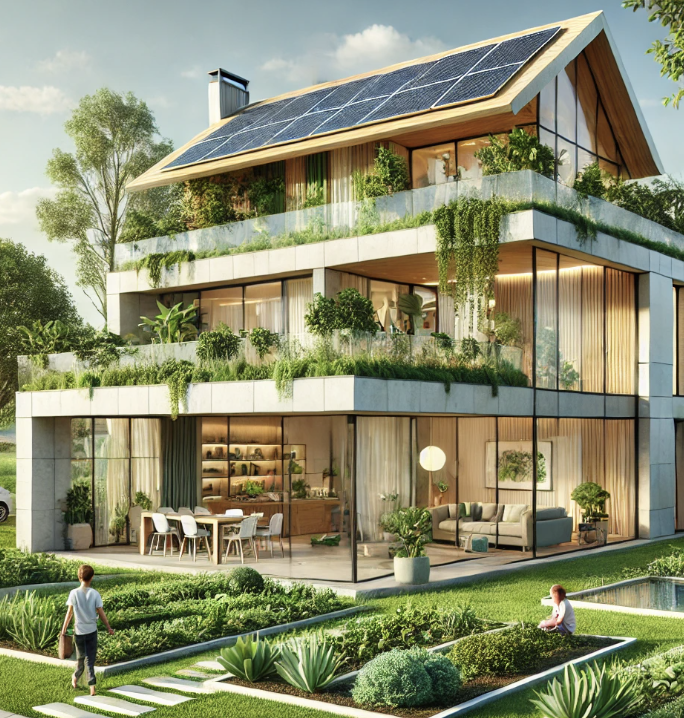
Homes are where we spend most of our lives. When the architecture supports mental wellness — through daylighting, views, connection to nature, and sound control — the impact can be profound. Biophilic design (bringing nature indoors), well-lit interiors, and thoughtful spatial layouts are gaining traction in broader design news, reflecting a wellness orientation in interiors. NonStop Local Tri-Cities/Yakima
In a Dallas context, thoughtful design might mean creating outdoor terraces shaded by trees, using large windows with shade controls, or including indoor garden niches to reduce stress and foster a sense of calm amid the city’s bustle.

Meeting Rising Consumer Demand

The demand for healthy homes is not niche — it’s becoming mainstream. According to Green Builder Media, 95% of homebuilders are either interested in or already building healthy homes, and 78% report moderate to heavy demand from homebuyers. Green Builder Media
Dallas’s real estate market is competitive. Homes that advertise wellness features — purified air, water filtration, sustainable materials, daylighting — could command stronger buyer interest, better resale value, or faster sales.


How to Do Healthy Home Architecture in Dallas (Best Practices and Strategies)

To make healthy home architecture work in Dallas, it’s not enough to adopt generic “green home” tricks — you need regionally tailored strategies. Below are design and construction approaches suited to Dallas’s climate and urban context.

Site Orientation, Sun Control, and Window Strategies

Dallas receives abundant solar exposure. Without careful planning, a home can overheat or force air conditioning to overwork. The healthy design response includes:

  • Orienting the longest facades to east/west to minimize direct afternoon sun.
  • Using deep roof overhangs, pergolas, or louvers to shade windows.
  • Selecting high-performance glazing with low solar heat gain coefficients.
  • Including operable windows for cross ventilation in milder seasons.

These strategies reduce cooling demands and improve occupant comfort passively.

Ventilation, Filtration & Indoor Air Systems

A cornerstone of healthy homes is ensuring that air is continually renewed, filtered, and controlled. In Dallas, this could mean:

  • Installing energy recovery ventilators (ERVs) or heat recovery ventilators (HRVs) to bring fresh outside air while conserving energy.
  • Using multistage filtration that can capture fine particles (PM2.5), pollen, and VOCs.
  • Designing duct systems with cleanable, sealed paths to prevent buildup of dust and mold.

When paired with low-emission materials, this approach dramatically improves indoor air quality.

Using Non-Toxic, Low-VOC, and Durable Materials

Materials matter. Healthy homes favor finishes and structural elements that do not emit harmful pollutants. In Dallas, this can translate into:

  • Avoiding formaldehyde-based pressed wood products, high-VOC paints, or synthetic carpets.
  • Choosing natural or certified sustainable wood, non-toxic sealants, and finishes.
  • Specifying durable, locally available materials to reduce transportation emissions and maintenance needs.

These decisions reduce “sick home” risks and promote long-term durability.

Water Quality, Moisture Control & Plumbing Design

Dallas occasional storms and humidity require attention to moisture management and water purity:

  • Incorporate rainwater diversion, good site drainage, and effective foundation waterproofing.
  • Use water filtration systems or whole-house water purification to eliminate contaminants.
  • Design bathrooms, kitchens, and utility areas with moisture-resilient materials and ventilation to reduce mold risk.

Integration of Nature, Views & Biophilia

Healthy architecture often weaves nature into the design. In Dallas, you might:

  • Preserve mature trees and encourage shade and wildlife.
  • Use courtyards, gardens, or green roofs to buffer heat and introduce calming microclimates.
  • Orient interior spaces toward garden views, add planters, or integrate indoor plants.

These touches not only boost psychological comfort, but also help regulate microclimates around the home.

Smart Systems, Monitoring & Adaptability

Because conditions change, a healthy home benefits from adaptive systems. Smart thermostats, indoor air sensors, humidity controllers, and energy monitoring let homeowners respond to peaks, detect air quality events, or optimize performance over time.
This forward-looking approach helps ensure that the home remains healthy across seasons, occupancy changes, and evolving technology.


Challenges and Considerations

While the benefits are compelling, it’s essential to acknowledge challenges:

  • Higher upfront cost: Some healthy and high-performance systems cost more initially, though they often pay back through energy savings and long life.
  • Maintenance discipline: Filter changes, system checks, and upkeep matter — a poorly maintained system can undermine benefits.
  • Finding expertise: Not all architects, builders, or subcontractors in Dallas may be versed in healthy design. Diligence in vetting professionals is key.
  • Balancing aesthetics and function: In some cases, homeowners may resist visible systems or prefer traditional looks; finding harmony is critical.

Nevertheless, in the long run, these challenges can be managed, and the health, financial, and environmental rewards often outweigh the tradeoffs.


Dallas Examples & Local Trends

Dallas already hosts examples that illustrate how healthy and wellness design principles are being adopted locally:

  • HALL Arts Residences: This urban development incorporated WELL measures such as healthy materials, multistage filtration, sound insulation, natural ventilation strategies, and abundant daylighting. HKS Architects
  • Historic home renovations in Dallas: Some local architects work to preserve Dallas’s architectural heritage while upgrading insulation, windows, and energy systems to make historic homes healthier and more efficient. lumpkinsarchitects.com
  • Eco-friendly foundation repair: As noted in Dallas market news, more builders are exploring low-impact foundation materials and methods that align with sustainable and healthy architecture. Dallas News

These real-world cases show that healthy home architecture is not a distant ideal — it’s being realized in Dallas today.


Conclusion

Dallas homeowners and builders stand at a turning point: the choice is between conventional homes built just for shelter and “Healthy Home Architecture Dallas” built for life, comfort, and well-being. By embracing healthy home architecture — with smart ventilation, non-toxic materials, climate-responsive design, and integration of nature — you invest in a home that supports physical health, mental wellness, energy efficiency, and long-term value.

Whether you’re building new, renovating, or simply retrofitting parts of your home, aiming for healthy design in Dallas makes sense not only as a trend but as a responsible, future-aware choice. Let your home become a sanctuary, not just in style, but in health. 🏡

The Importance of a Concrete Batch Plant in Construction Projects

construction news for Concrete Batch Plant

Concrete is the foundation of modern construction, playing a crucial role in everything from residential homes to towering skyscrapers, highways, bridges, and infrastructure projects. The ability to produce high-quality concrete efficiently is essential for the success of any construction endeavor. This is where a concrete batch plant becomes an invaluable asset. A concrete batch plant, also known as a concrete batching plant, is a facility where raw materials such as cement, aggregates (sand, gravel, or crushed stone), water, and admixtures are combined in precise proportions to create fresh concrete. These plants ensure consistent quality, improved efficiency, and cost-effectiveness in concrete production. This article explores the importance of concrete batch plants, their functions, benefits, and how they contribute to the success of construction projects.

The Functionality of a Concrete Batch Plant

Concrete batch plants come in various types, including stationary, mobile, and central mix plants, each catering to specific project needs. The core function of a batch plant is to mix the necessary components to produce high-quality concrete. The process typically involves the following steps:

Storage and Handling of Materials – The plant stores raw materials in silos, bins, or stockpiles, ensuring a continuous supply.

Batching – The materials are precisely measured and weighed to maintain consistency in the mix.

Mixing – Depending on the type of plant, materials may be mixed in a central mixer (central mix plant) or in transit mixers (dry batch plant).

Discharging and Delivery – Once mixed, the concrete is discharged into trucks or containers for transport to the construction site.

Quality Control – Modern batch plants incorporate automated systems and sensors to monitor the consistency and quality of the concrete mix.

    Each of these steps is critical to producing high-quality concrete that meets industry standards and project specifications.

    Benefits of a Concrete Batch Plant

    Consistency and Quality Assurance

    One of the most significant advantages of using a concrete batch plant is its ability to produce consistent, high-quality concrete. With precise measurement and controlled mixing, batch plants ensure uniformity in every batch. This level of consistency is crucial for structural integrity, durability, and compliance with engineering standards. Variability in concrete mix proportions can lead to weak structures, reduced lifespan, and increased maintenance costs.

    Increased Efficiency and Productivity

    Concrete batch plants significantly enhance productivity in construction projects. By automating the mixing process, batch plants minimize human errors and accelerate production rates. This efficiency is particularly important for large-scale projects, where delays in concrete supply can halt progress. The ability to produce large volumes of concrete quickly helps contractors stay on schedule and meet deadlines.

    Cost-Effectiveness

    Investing in a concrete batch plant can lead to substantial cost savings in the long run. On-site batch plants reduce transportation costs associated with hauling ready-mix concrete from external suppliers. Additionally, contractors can control material costs, optimize mix designs, and minimize waste, leading to better financial management of construction projects.

    Environmental Benefits

    Modern concrete batch plants are designed with sustainability in mind. By using advanced dust collection systems, water recycling mechanisms, and energy-efficient equipment, these plants help reduce environmental impact. Additionally, batch plants minimize waste by producing only the required amount of concrete, reducing the likelihood of excess material disposal.

    Flexibility in Mix Designs

    Construction projects often require different types of concrete mixes, depending on the structural requirements and environmental conditions. Concrete batch plants allow for customization of mix designs, enabling contractors to produce specific formulations for various applications. This flexibility is particularly beneficial in specialized projects such as high-performance concrete for bridges, lightweight concrete for buildings, or pervious concrete for drainage solutions.

    Improved Site Logistics

    Having an on-site concrete batch plant reduces the reliance on external suppliers, minimizing logistical challenges associated with traffic delays, scheduling conflicts, and supply chain disruptions. This level of control ensures a steady and reliable concrete supply, allowing construction activities to proceed without interruptions.

    Types of Concrete Batch Plants

    There are different types of concrete batch plants, each designed to suit specific project needs:

    Stationary Batch Plants

    These plants are ideal for large-scale projects requiring a high volume of concrete production. Stationary plants offer maximum efficiency, consistency, and quality control, making them suitable for infrastructure projects such as highways, bridges, and dams.

    Mobile Batch Plants

    Mobile concrete batch plants provide flexibility and mobility, making them ideal for remote or temporary construction sites. These plants can be easily transported and set up at different locations, reducing the need for long-distance concrete transportation.

    Central Mix Batch Plants

    Also known as wet batch plants, these facilities mix all ingredients, including water, in a central mixer before discharging the concrete into transport trucks. This method ensures superior mix quality and uniformity, making it suitable for projects requiring high-strength concrete.

    Dry Batch Plants

    In dry batch plants, raw materials are measured and discharged into a transit mixer, where water is added during transport. This method is commonly used for projects where immediate mixing is not required or where transit mixers are equipped with high-efficiency mixing capabilities.

    Challenges and Considerations

    While concrete batch plants offer numerous benefits, they also come with challenges that must be addressed to maximize efficiency:

    Initial Investment Costs – Setting up a batch plant requires significant capital investment in equipment, land, and infrastructure.

    Regulatory Compliance – Batch plants must adhere to environmental and safety regulations to minimize air pollution, noise, and waste management issues.

    Maintenance Requirements – Regular maintenance of equipment is essential to prevent breakdowns and ensure continuous operation.

    Skilled Workforce – Operating a batch plant requires trained personnel to manage batching processes, quality control, and equipment maintenance.

    Conclusion

    A concrete batch plant is an essential component of modern construction, providing a reliable, efficient, and cost-effective solution for producing high-quality concrete. By ensuring consistency, enhancing productivity, and offering flexibility in mix designs, batch plants contribute to the successful execution of construction projects. Despite the challenges associated with initial investment and regulatory compliance, the long-term benefits outweigh the costs, making concrete batch plants a valuable asset in the construction industry. As technology advances, batch plants will continue to evolve, integrating automation, sustainability practices, and innovative solutions to meet the growing demands of the construction sector. Investing in a high-quality concrete batch plant is a strategic decision that ensures durability, efficiency, and overall project success.

    Grinder Pump Lift Stations: Revolutionizing Wastewater Management

    lift station grinder pump

    Wastewater management is an essential but often overlooked aspect of modern urban living. The infrastructure that ensures our homes and businesses stay clean and healthy relies on an intricate system of pipes, pumps, and lift stations. One key component in this system is the grinder pump lift station, a technological marvel that has revolutionized the way we handle sewage and wastewater.

    In this comprehensive article, we will explore the intricacies of grinder pump lift stations, from their history and evolution to their importance in today’s urban landscapes. We will also delve into their operation, advantages, and the environmental impact they have on wastewater management.

    The Evolution of Wastewater Management

    Wastewater management has come a long way since the days of open sewers and untreated waste disposal. In ancient civilizations, sewage was often released directly into rivers and streams, leading to water pollution and health hazards. It wasn’t until the late 19th and early 20th centuries that comprehensive sewage systems were developed in urban areas, significantly improving public health and sanitation.

    The concept of grinder pump lift stations emerged as an innovative solution to the challenges of handling wastewater in densely populated areas. Before their advent, traditional sewage systems relied on gravity to move waste to treatment facilities. This approach, however, was not always feasible in areas with varying topography or low-lying regions.

    Understanding Grinder Pump Lift Stations

    A grinder pump lift station is a key component of modern wastewater management systems, and it plays a crucial role in ensuring efficient and reliable sewage transport. Let’s delve into the various components and functions of a typical grinder pump lift station:

    Grinder Pump

    The heart of a grinder pump lift station is the grinder pump itself. This specialized pump is designed to macerate and shred solid waste into fine particles, allowing it to be easily transported through pipes. The grinder pump is equipped with sharp blades that break down materials such as toilet paper, food scraps, and other debris, ensuring a smooth flow of wastewater.

    Underground Storage Tank

    Beneath the ground, a large underground storage tank collects and holds wastewater from homes and businesses. These tanks come in various sizes, depending on the specific needs of the area they serve. As wastewater enters the tank, it is agitated to keep solids suspended for efficient pumping.

    Pumping Mechanism

    When the wastewater in the underground tank reaches a certain level, the grinder pump is activated. It pumps the macerated wastewater into a pressurized pipe system, which transports it to a treatment facility or a larger sewer line. The pressurized system eliminates the need for gravity, making it suitable for areas with challenging topography.

    Control Panel

    A control panel is responsible for monitoring the grinder pump lift station’s performance and ensuring that it operates smoothly. It can detect potential issues, such as pump blockages, and trigger alarms or automatic shutdowns to prevent damage.

    Advantages of Grinder Pump Lift Stations

    Grinder pump lift stations offer several significant advantages, making them an ideal choice for various applications in wastewater management:

    Versatility

    One of the primary advantages of grinder pump lift stations is their versatility. They can be installed in a wide range of locations, including residential neighborhoods, commercial areas, and remote rural settings. Their ability to operate efficiently even in challenging topographical conditions makes them an excellent choice for areas where traditional gravity systems are impractical.

    Reduced Maintenance

    Grinder pump lift stations require minimal maintenance compared to conventional gravity-based systems. The macerating action of the grinder pump reduces the likelihood of clogs and blockages, leading to fewer service calls and less downtime.

    Cost-Effective

    While the initial installation cost of grinder pump lift stations can be higher than that of gravity systems, they often prove to be more cost-effective in the long run. Their reduced maintenance needs, along with the ability to serve areas with varying topography, can lead to significant cost savings over time.

    Environmental Benefits

    Grinder pump lift stations contribute to improved environmental sustainability in several ways. By efficiently transporting wastewater to treatment facilities, they reduce the risk of leaks and spills that can harm local ecosystems. Additionally, the reduction of sewage odors and the prevention of backups into homes and streets contribute to a healthier environment for both humans and wildlife.

    Environmental Impact and Sustainability

    In an age where environmental concerns are paramount, grinder pump lift stations offer several features that align with sustainability goals. These include:

    Energy Efficiency

    Modern grinder pump lift stations are designed to be energy-efficient, often using variable frequency drives (VFDs) to optimize pump performance. This not only reduces energy consumption but also minimizes the station’s carbon footprint.

    Reduced Contamination

    The macerating action of grinder pumps results in finely ground wastewater, reducing the chances of contamination in case of leaks or spills. This is especially critical in areas near water bodies, where traditional systems might pose a greater risk to aquatic ecosystems.

    Odor Control

    Grinder pump lift stations are equipped with advanced odor control mechanisms, preventing foul odors from escaping into the environment. This not only improves the quality of life for local residents but also helps maintain a cleaner and more attractive neighborhood.

    Maintenance and Upkeep

    To ensure the continued efficient operation of grinder pump lift stations, regular maintenance and upkeep are essential. Common maintenance tasks include:

    Regular Inspections

    Routine inspections of the pump, control panel, and other components help identify issues before they become major problems. Preventive maintenance can save both time and money.

    Cleaning

    Periodic cleaning of the grinder pump and the underground storage tank is necessary to remove accumulated debris. This cleaning helps maintain optimal pump performance and prolong the equipment’s lifespan.

    Alarm Monitoring

    Grinder pump lift stations are typically equipped with alarms that signal potential issues, such as high water levels or pump malfunctions. Promptly addressing these alarms is crucial to prevent damage and service interruptions.

    Challenges and Considerations

    While grinder pump lift stations offer numerous advantages, they also come with some challenges and considerations. These include:

    Initial Installation Costs

    The initial cost of installing grinder pump lift stations can be higher than traditional gravity systems. This can be a financial challenge for municipalities or homeowners, although the long-term cost savings often offset the initial investment.

    Power Dependency

    Grinder pump lift stations rely on electrical power to operate. In the event of power outages, backup systems such as generators or battery backups may be required to prevent service interruptions.

    Maintenance Responsibility

    In some cases, homeowners are responsible for maintaining the grinder pump lift station on their property. This can be a challenge if they lack the knowledge or resources to perform required maintenance.

    The Future of Grinder Pump Lift Stations

    As technology continues to advance, the future of grinder pump lift stations looks promising. Innovations in energy efficiency, remote monitoring, and predictive maintenance will further improve their performance and reduce operational costs. Additionally, the integration of grinder pump lift stations with smart city initiatives may lead to more efficient and sustainable urban environments.

    Conclusion

    A grinder pump lift station has revolutionized wastewater management, offering a versatile and efficient solution for areas with challenging topography. They have become an integral part of urban infrastructure, contributing to improved public health, environmental sustainability, and cost-effective sewage transport. As we move into a future marked by increasing urbanization and environmental concerns, grinder pump lift stations will continue to play a pivotal role in ensuring the efficient and sustainable management of wastewater. By understanding their components, advantages, and maintenance requirements, we can appreciate the vital role they play in keeping our communities clean and healthy.

    Embracing the Future of Retail: The Rise of Modular Retail Buildings

    modular retail construction

    The world of retail is undergoing a transformative shift, and at the heart of this evolution lies modular retail building. Traditional brick-and-mortar stores are facing increasing challenges from e-commerce giants and changing consumer preferences. To adapt and thrive in this dynamic landscape, retailers are turning to innovative solutions, and modular retail buildings are emerging as the future of retail. In this comprehensive guide, we will explore the concept of modular retail buildings, delve into the benefits they offer, examine real-world examples, and discuss their potential impact on the retail industry.

    Understanding Modular Retail Building

    Before we delve into the reasons why modular retail building is the future, let’s begin by understanding what modular retail building entails.

    What is Modular Retail Building? – Modular retail building involves constructing retail spaces using prefabricated modules or components. These modules are manufactured off-site in a controlled environment and then assembled on-site. This construction approach offers a more efficient, sustainable, and versatile alternative to traditional building methods.

    The Evolution of Modular ConstructionModular construction has come a long way since its inception. Technological advancements have enabled the creation of highly customizable, aesthetically pleasing, and durable modular structures. Today’s modular buildings are virtually indistinguishable from their traditionally constructed counterparts.

    The Benefits of Modular Retail Building

    Now that we have a clear understanding of modular retail building, let’s explore the numerous advantages it offers to retailers and the broader industry.

    Speed of Construction – One of the most significant benefits of modular retail building is its speed. Modules are manufactured concurrently with site preparation, drastically reducing construction timelines. This speed is crucial for retailers looking to enter new markets or adapt quickly to changing consumer demands.

    Cost Efficiency – Modular construction is inherently cost-effective. With reduced labor costs, less material waste, and efficient manufacturing processes, retailers can achieve substantial cost savings compared to traditional construction methods.

    Design Flexibility – Modular retail buildings are highly customizable, allowing retailers to design and adapt their spaces to fit their brand and product offerings. This flexibility ensures that the retail environment aligns perfectly with the brand’s image and customer experience.

    Sustainability – Sustainability is a growing concern in the retail industry. Modular construction reduces waste, energy consumption, and environmental impact. Modular buildings can also incorporate eco-friendly materials and energy-efficient systems, making them a greener choice.

    Scalability – Retailers can easily scale their operations up or down by adding or removing modules as needed. This scalability accommodates seasonal demands and future expansion plans without the need for extensive renovations.

    Real-World Examples

    To illustrate the practical applications and success stories of modular retail buildings, let’s explore some real-world examples.

    Pop-Up StoresPop-up stores are a perfect fit for modular retail buildings. Retailers can quickly deploy these temporary stores in high-traffic locations to capitalize on trends, events, or seasons. Iconic brands like Nike and Adidas have successfully utilized pop-up stores built with modular construction techniques.

    Drive-Through and Convenience Retail – The convenience retail sector has embraced modular construction for drive-through outlets. Modular drive-through coffee shops, fast-food restaurants, and convenience stores are becoming increasingly common due to their speed of construction and ease of operation.

    Shopping Malls and Shopping Centers – Even large-scale shopping centers and malls are recognizing the benefits of modular construction. They can add new retail spaces, kiosks, or dining areas to their existing structures, enhancing the overall shopping experience.

    The Impact on the Retail Industry

    Now, let’s explore how modular retail buildings can potentially reshape the retail industry as a whole.

    Adapting to Changing Consumer BehaviorConsumer behavior has evolved dramatically in recent years, with a growing preference for convenience and online shopping. Modular retail buildings enable retailers to quickly establish a physical presence in new markets, enhancing their ability to meet changing consumer demands.

    Revitalizing Urban SpacesModular retail buildings can play a vital role in revitalizing urban areas. They allow for the efficient repurposing of underutilized spaces, contributing to the economic and social vibrancy of cities.

    Reducing Retail FootprintsIn an era where minimizing carbon footprints is paramount, retailers can opt for smaller, energy-efficient modular retail spaces that reduce their environmental impact while still providing an exceptional shopping experience.

    Challenges and Considerations

    While modular retail buildings offer a plethora of benefits, it’s essential to acknowledge the challenges and considerations associated with this construction approach.

    Permitting and RegulationsNavigating local building codes and regulations can be more complex with modular construction. Retailers must work closely with local authorities to ensure compliance.

    Quality ControlMaintaining consistent quality across modular components is crucial. Retailers need to partner with reputable manufacturers and construction teams to ensure the final product meets their expectations.

    Conclusion

    In conclusion, modular retail building is undeniably the future of the retail industry. Its numerous advantages, from speed and cost efficiency to design flexibility and sustainability, make it an attractive option for retailers looking to thrive in a rapidly evolving market. Real-world examples demonstrate its practical applications, and its potential impact on the retail landscape is substantial.

    As retailers continue to adapt to changing consumer behavior and environmental concerns, modular retail buildings provide a sustainable and versatile solution. While challenges exist, the benefits far outweigh them, and with careful planning and execution, modular construction can unlock new opportunities for growth and innovation in the world of retail.

    The retail industry is evolving, and those who embrace modular retail building are poised to lead the way into a more dynamic, efficient, and sustainable future. It’s time for retailers to recognize the potential of modular construction and leverage it to their advantage in this ever-changing landscape.