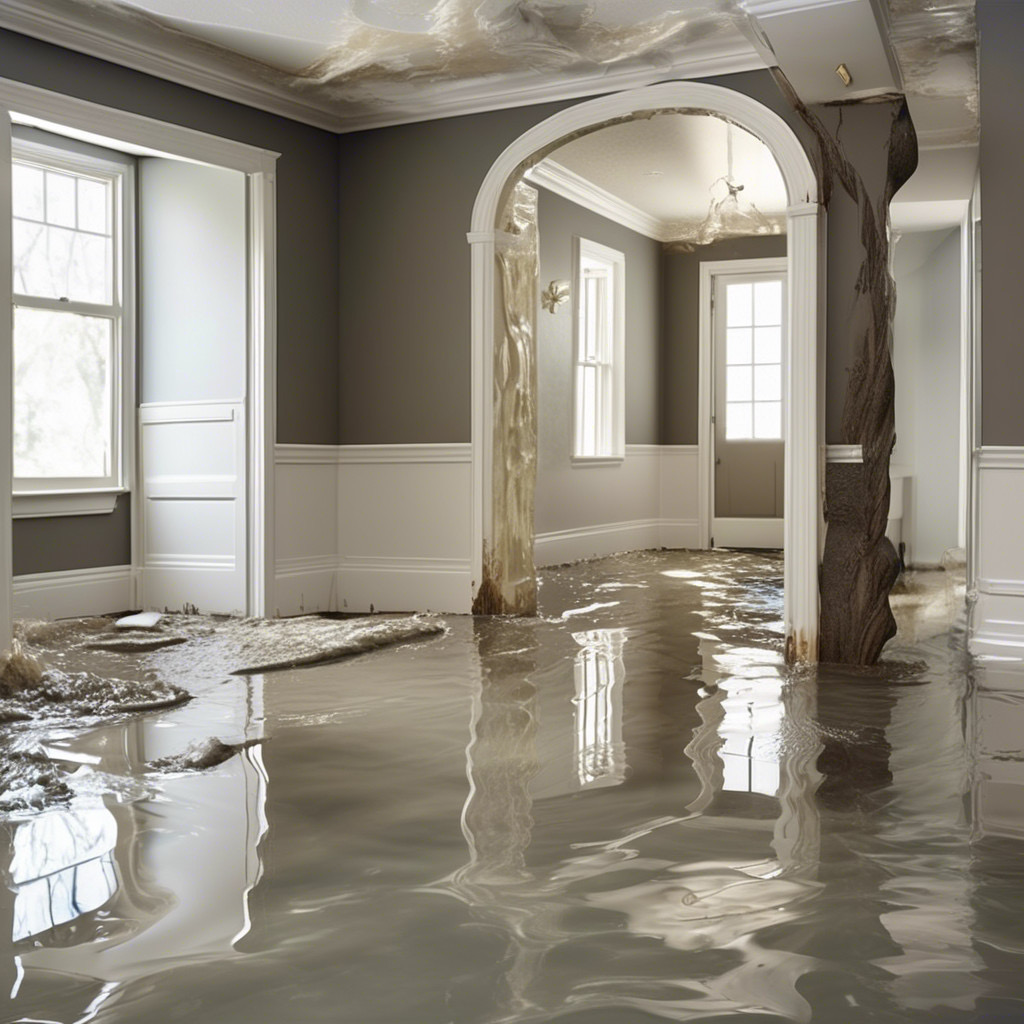
Water damage is a homeowner’s nightmare. While it may seem like a minor inconvenience at first—a small leak here or a damp patch there—the repercussions of water damage can be extensive, expensive, and dangerous. Understanding the effects of water damage on a home is crucial for prevention, timely intervention, and effective remediation. This article delves into the various ways water damage can impact your home, from structural degradation to health risks, and offers insights into how you can protect your property.
What Causes Water Damage?
Before diving into its effects, it’s important to understand what causes water damage. Common sources include:
Plumbing Issues: Burst pipes, leaky faucets, or aging plumbing systems can cause significant water damage.
Roof Leaks: Damaged shingles or clogged gutters can allow water to seep into your home.
Natural Disasters: Floods, hurricanes, and heavy rains are some of the most devastating causes of water damage.
Appliance Malfunctions: Washing machines, dishwashers, and water heaters can fail, releasing large amounts of water.
Poor Drainage Systems: Improper drainage can lead to water pooling around your home’s foundation.
Each of these scenarios has the potential to wreak havoc on your home, leading to both immediate and long-term effects.
The Immediate Effects of Water Damage
Water damage doesn’t waste time. Within minutes, it begins to take a toll on your home:
Staining and Discoloration: Water can cause unsightly stains on walls, ceilings, and floors.
Swelling and Warping: Wooden materials, such as floors and furniture, absorb water quickly, leading to swelling and warping.
Electrical Hazards: Water exposure to electrical outlets and appliances creates a significant risk of shock or fire.
While these effects might seem manageable, the true danger lies in the long-term consequences of untreated water damage.
Long-Term Effects of Water Damage
Structural Compromise
Water is relentless. Over time, even a small leak can weaken the structural integrity of your home.
Rotting Wood: Wooden beams, floors, and joists can rot, jeopardizing the stability of your home.
Cracked Foundations: Water seeping into the foundation can cause cracks, leading to uneven floors and walls.
Ceiling and Wall Damage: Persistent water exposure weakens drywall and plaster, making them prone to crumbling.
Mold and Mildew Growth
One of the most insidious effects of water damage is mold growth. Mold thrives in damp environments and can spread rapidly.
Health Risks: Mold exposure can cause respiratory issues, allergies, and other health problems, particularly for individuals with asthma or weakened immune systems.
Property Damage: Mold can ruin carpets, furniture, and other personal belongings, making them unsalvageable.
Increased Energy Costs
Water damage can compromise your home’s insulation, making it less effective. As a result, your heating and cooling systems have to work harder, leading to higher energy bills.
Decreased Property Value
A home with water damage—or a history of it—is less appealing to buyers. Visible damage, mold, and structural issues can significantly lower your property’s market value.
Health Implications of Water Damage
The effects of water damage extend beyond your home; they can also impact your health. Prolonged exposure to damp conditions and mold can lead to:
Respiratory Problems: Damp environments can exacerbate conditions like asthma and bronchitis.
Allergic Reactions: Mold spores can trigger allergies, causing symptoms such as sneezing, runny nose, and itchy eyes.
Toxic Mold Exposure: Certain types of mold, like black mold (Stachybotrys chartarum), produce mycotoxins that can have severe health consequences.
How to Prevent Water Damage
Prevention is always better than cure. Here are some tips to safeguard your home against water damage:
Regular Inspections
Check for leaks in plumbing, roofs, and windows regularly.
Inspect your foundation for cracks and address them promptly.
Maintain Gutters and Downspouts
Keep gutters clean and free of debris to prevent water overflow.
Ensure downspouts direct water away from your home’s foundation.
Install Water Alarms
Water alarms can alert you to leaks early, minimizing damage.
Invest in a Sump Pump
A sump pump can prevent basement flooding by directing water away from your home.
Seal Vulnerable Areas
Use waterproof sealants on windows, doors, and basements to keep water out.
How to Address Water Damage
If you’re dealing with water damage, acting quickly is key. Here’s a step-by-step guide:
Stop the Source
Identify and stop the source of water, whether it’s a burst pipe or a leaking roof.
Remove Standing Water
Use a wet vacuum, buckets, or professional services to remove water promptly.
Dry the Area
Use fans, dehumidifiers, and proper ventilation to dry the affected areas thoroughly.
Disinfect
Clean and disinfect surfaces to prevent mold and bacteria growth.
Consult Professionals
For extensive damage, hire water damage restoration experts to ensure thorough remediation.
Conclusion
Water damage may start small, but its effects can ripple through your home and life in devastating ways. From weakening your home’s structure to posing serious health risks, the consequences of water damage should never be underestimated. By understanding its causes, immediate impacts, and long-term dangers, you can take proactive steps to protect your home. Remember, prevention and early intervention are your best defenses against the destructive power of water damage.