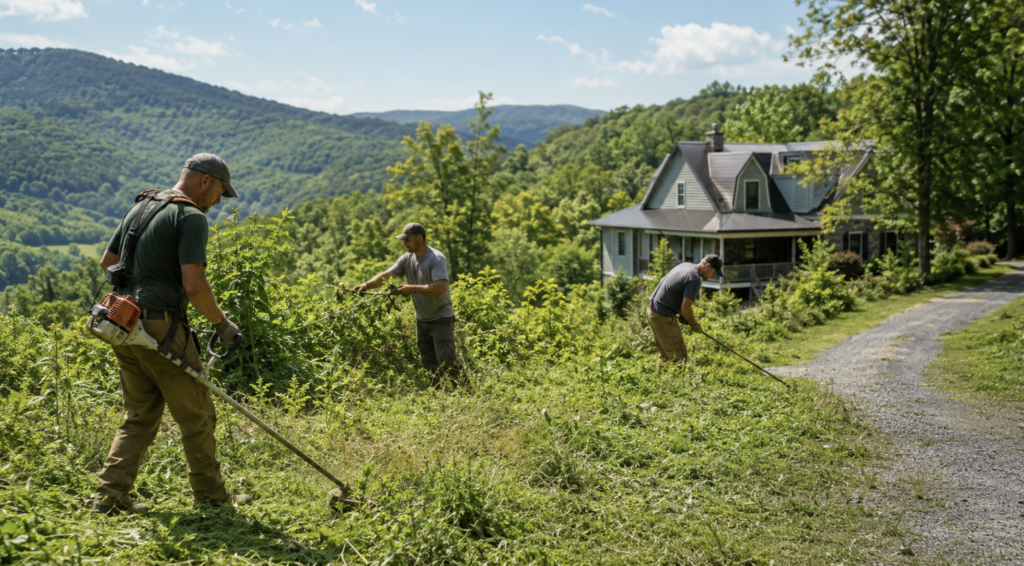
Home improvement is usually thought of as a kitchen remodel, a new roof, updated flooring, fresh paint, or better curb appeal around the front porch. But for property owners in Mt. Lookout, WV, one of the most overlooked home improvement projects often begins beyond the walls of the house. It begins with the land itself. 🌿
Large properties come with a different level of responsibility. When acreage is left unmanaged, overgrowth can slowly turn into a serious problem. Brush, small trees, invasive growth, fallen limbs, and thick vegetation can make land harder to use, harder to maintain, and less attractive from the road. Over time, unmanaged acreage can also affect access, drainage, safety, visibility, and the overall value of the property.
That is why Large Acreage Vegetation Management Mt. Lookout WV deserves a place in the home improvement conversation. It is not just land clearing. It is not just mowing. It is a smart way to protect the property, improve usability, and help the entire outdoor space support the home instead of working against it.
Why Land Management Belongs in the Home Improvement Category
A home does not sit alone. It is part of a full property, and the condition of that property directly affects the way the home looks, feels, and functions. In a place like Mt. Lookout, where rural settings, wooded areas, hillsides, and larger parcels are common, home improvement must include more than the structure. The surrounding land plays a major role in the property’s comfort, safety, and long-term care.
When vegetation becomes too dense, it can hide problem areas. Drainage issues may go unnoticed. Fence lines can disappear under brush. Driveways, trails, outbuildings, and utility access points can become harder to reach. A property that once felt open and usable can begin to feel boxed in, neglected, or difficult to manage.
West Virginia’s natural beauty is one of the reasons people love owning land here. The state is known for its mountains, forests, rivers, and outdoor lifestyle, as described in this overview of West Virginia. But that same natural growth needs guidance. Without regular attention, vegetation can quickly move from beautiful to burdensome.
Good home improvement should make daily life easier. Large acreage vegetation management does exactly that by reclaiming space, improving access, and helping the property look cared for from every angle.
The Hidden Cost of Overgrown Acreage
Overgrowth often starts quietly. A field goes untouched for a season. Brush creeps closer to the driveway. Small trees begin growing along the edge of a cleared area. Vines take over a fence row. Dead limbs collect near wooded sections. At first, these things may not seem urgent, but they can become expensive and time-consuming if ignored.
Unmanaged vegetation can limit how much of the land a homeowner can actually use. Acres that should be available for recreation, gardening, equipment access, walking trails, livestock, future projects, or scenic views can become inaccessible. This reduces the practical value of the property, even when the acreage looks impressive on paper.
There is also the issue of maintenance. The longer vegetation is left alone, the more difficult it becomes to bring under control. What could have been handled with routine management may eventually require heavier equipment, more labor, and more planning. For homeowners trying to protect their investment, staying ahead of overgrowth is usually easier than trying to correct years of neglect all at once.
The West Virginia Division of Forestry highlights the importance of protecting, sustaining, and wisely managing forest resources across the state. While residential landowners may not think of their acreage as part of a larger forestry conversation, responsible vegetation care supports the same idea: land should be maintained with both usefulness and long-term health in mind.
How Vegetation Management Improves Curb Appeal
Curb appeal is not limited to flower beds and front doors. On a large property, curb appeal begins at the entrance and continues across the acreage. A clean driveway edge, open sight lines, trimmed fields, visible fence rows, and controlled brush can completely change the way a property feels.
For a home improvement website, this matters because visual impression carries real weight. A home surrounded by unmanaged growth can look smaller, older, or less cared for than it actually is. On the other hand, a home with managed acreage can look stronger, cleaner, and more valuable.
Vegetation management can help highlight the natural shape of the land. It can open views, expose attractive tree lines, improve the appearance of slopes, and create a more intentional outdoor layout. It can also make the home itself stand out instead of being swallowed by the landscape.
This does not mean stripping the land bare. In fact, smart land care respects the natural environment. The goal is to remove what is excessive, hazardous, invasive, or limiting while keeping the property attractive and functional. The result is land that feels maintained without losing its West Virginia character.
Why Mt. Lookout Properties Need a Local Approach
Every region has its own land challenges, and Mt. Lookout is no different. West Virginia’s terrain can include slopes, uneven ground, wooded edges, wet areas, dense vegetation, and fast-growing plant life. Managing acreage here is not the same as maintaining a small suburban lawn.
Local conditions matter. Soil, rainfall, elevation, drainage, and native plant life all affect how vegetation grows and how it should be handled. The WVU Extension gardening resources note that West Virginia has unique growing conditions, including hilly terrain and microclimates created by mountains and valleys. That is exactly why large-acreage work should be approached with care and knowledge of the region.
A property in Mt. Lookout may need brush control in one area, selective clearing in another, access restoration near a driveway, and careful vegetation reduction near wooded boundaries. A one-size-fits-all approach can create unnecessary damage or miss important property needs.
The right vegetation management plan looks at how the land is used now and how the owner wants to use it in the future. That could mean opening space for better access, improving visibility, preparing for future improvements, maintaining utility areas, or simply making the property easier to enjoy.
The Safety Side of Large Acreage Vegetation Management
Safety is one of the strongest reasons to include acreage management in a home improvement plan. Thick vegetation can hide holes, stumps, debris, uneven ground, drainage ditches, and fallen limbs. These hidden hazards can be dangerous for homeowners, children, guests, workers, and anyone operating equipment on the property.
Overgrown areas can also block emergency access. If a driveway, lane, or field entrance becomes too narrow or obstructed, it can make it harder for vehicles or service providers to reach certain areas. Keeping access routes open is a practical improvement that can matter in everyday situations and urgent ones.
There is also the issue of fire awareness. While West Virginia is not always thought of the same way as western wildfire states, brush, dead vegetation, and unmanaged growth can still create avoidable risk around structures and access areas. The Ready.gov guide on defensible space around homes explains that vegetation, debris, and combustible materials around buildings can be treated, cleared, or reduced to help slow fire movement.
For homeowners, this means vegetation management is not just about appearance. It can be part of a broader property safety strategy.
Protecting Soil, Drainage, and the Long-Term Health of the Land
Large acreage management should never be treated as careless clearing. Good land care considers soil stability, water flow, erosion control, and the health of desirable plants and trees. Removing the wrong vegetation in the wrong way can create runoff problems, expose soil, or damage areas that should have been preserved.
This is especially important in a state with hillsides and heavy rainfall patterns. Vegetation helps hold soil in place, filter water, and support wildlife habitat. The West Virginia DNR plants and fungi resources explain that vegetation is important to the environment and wildlife and helps fight erosion. That matters for homeowners who want cleaner, safer, and more stable land.
The goal is balance. A well-managed property does not have to look overly manicured. It should look intentional. Healthy trees, native plants, usable open areas, and controlled growth can all work together. When done properly, vegetation management can help homeowners keep the land beautiful while reducing the problems that come from neglect.
Invasive Growth and Why It Should Not Be Ignored
Invasive and nuisance vegetation can be a serious issue on large properties. These plants may spread quickly, crowd out native species, and make land harder to maintain. Once invasive growth takes hold, it can become more difficult to control each year.
The EPA’s invasive non-native species resources provide information about invasive species and their effects on ecosystems. For homeowners, the concern is practical as well as environmental. Invasive plants can overtake fence rows, wooded edges, drainage areas, and open fields. They can make the land look neglected and reduce the usefulness of the property.
Managing invasive growth early can help protect the overall health of the land. It can also give native plants and trees a better chance to thrive. For property owners who care about both appearance and stewardship, this is a home improvement step with long-term value.
The West Virginia Planting Tool is another helpful authority resource because it recommends native species for restoration, erosion control, rights-of-way, and pollinator projects in West Virginia. That kind of guidance reinforces the importance of choosing land improvements that fit the local environment.
Large Acreage Management Can Support Future Home Projects
Many homeowners do not think about vegetation management until they want to build, expand, fence, garden, create trails, add outdoor living space, improve drainage, or prepare land for another use. At that point, overgrowth can slow everything down.
Clearing and managing acreage ahead of time can make future home improvement projects easier. It can help a property owner see the land more clearly, decide where improvements make the most sense, and identify areas that need attention before construction or landscaping begins.
For example, a homeowner may want to add a workshop, barn, garden, driveway extension, hunting access, walking path, or outdoor gathering space. If the land is too overgrown, planning becomes harder. Once the vegetation is managed, the property becomes easier to evaluate and use.
This is where acreage care becomes a foundation for future improvements. It prepares the land so the homeowner can make better decisions.
A Smart Investment for Property Value
Real estate value is affected by more than square footage. Land condition matters. A home on acreage should feel usable, accessible, and maintained. When buyers, appraisers, guests, or neighbors see a property that is controlled and cared for, it creates a stronger impression.
This is especially true in rural and semi-rural areas where acreage is part of the property’s appeal. A large parcel that is overgrown may feel like a burden. A large parcel that is managed well feels like an asset.
Homeowners looking for broader improvement resources may also find programs like the USDA Rural Development Single Family Housing Repair Loans and Grants in West Virginia useful when dealing with qualifying home repair, improvement, modernization, or safety-related needs. While every program has its own rules, it shows how property improvement and safety often go hand in hand.
Acreage management can be one of the most visible ways to show that a property is being protected. It helps turn land from something that simply exists around the home into something that adds beauty, function, and long-term value.
Why This Forgotten Project Deserves More Attention
Many home improvement projects are easy to notice because they happen inside the home. New cabinets, flooring, fixtures, and paint create instant visual change. Large acreage vegetation management may not always get the same attention, but its impact can be just as important.
It can open land that was unusable. It can make a home look more inviting. It can improve safety, access, visibility, drainage awareness, and long-term maintenance. It can help reduce overgrowth before it becomes a larger problem. It can also support the natural beauty that makes West Virginia properties so special.
For Mt. Lookout homeowners, this is the kind of improvement that works quietly in the background while making the entire property feel better. It is practical, visual, and protective at the same time.
Conclusion
The home improvement project most people forget is often the one surrounding the home every single day. Large acreage vegetation management helps property owners in Mt. Lookout, WV take control of their land, improve curb appeal, protect access, reduce hidden hazards, and prepare for future improvements.
A well-maintained home deserves well-maintained land around it. When acreage is managed with care, the whole property becomes more usable, more attractive, and more valuable. For homeowners who want to protect their investment and enjoy more of the land they already own, vegetation management is not an afterthought. It is one of the smartest outdoor home improvement moves they can make. 🌿