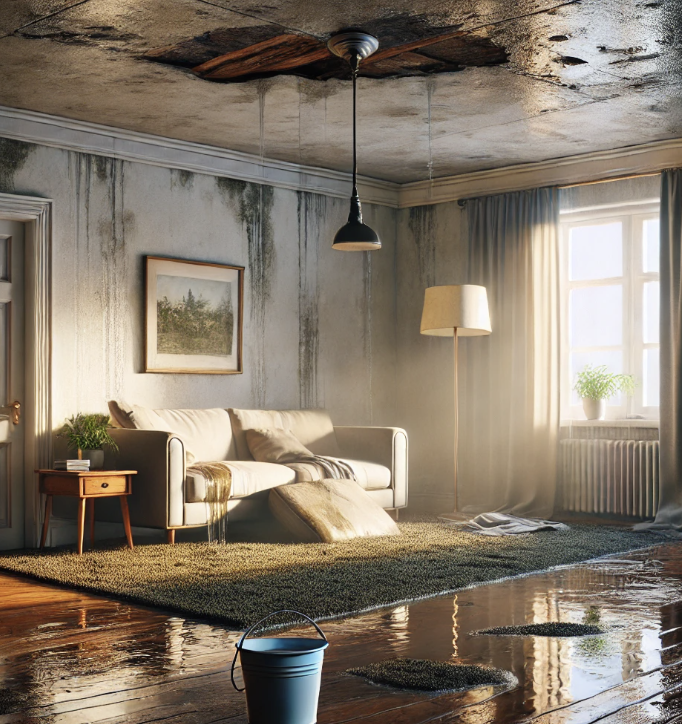
Water is life. But when it enters your home in the wrong way — through leaks, floods, or unseen seepage — it can turn life inside-out. Water damage is one of the stealthiest, most destructive forces that can ravage a house. It creeps in slowly, hides behind walls, ruins structure, and invites mold and rot. In short, it can destroy your sanctuary. In this article, we’ll examine how water damage can destroy your home, what the warning signs are, and what steps you can take to protect and restore your property 😊.
The Many Faces of Water Damage
Water damage isn’t just a burst pipe in the middle of the night. It comes in many forms, some obvious and some hidden. The danger is that the hidden ones often do the most long-term harm.
- Burst pipes and appliance failures: When a water supply line ruptures or a washing machine hose fails, water gushes into your home and saturates materials quickly.
- Roof leaks and flash flooding: Heavy rains, storms, or damaged shingles can allow water to drip and seep through ceilings and walls.
- Seepage and groundwater intrusion: Over time, water can seep through foundations, basements, or slabs especially if drainage is poor.
- Leaky plumbing, fixtures, or seals: A slow drip behind walls or under floors can silently weaken structural elements.
- Sewer backups and drainage failures: When drains clog or sewer lines malfunction, water can back up into your home, carrying contaminants.
Each type carries its own risks. A sudden flood calls for rapid damage control. But a slow leak may go unnoticed for weeks, quietly eroding your home from within.
Structural Destruction: How Water Eats Away at Your Home
Water has a way of undermining the solid components of your house, weakening what you once thought was permanent. Here’s how:
Damage to Framing, Drywall, and Insulation
Wood framing and drywall absorb moisture. When those materials remain wet, they can warp, swell, buckle, or crumble. Insulation becomes wet and ineffective, and over time drywall begins to crumble or detach. Walls and ceilings lose integrity, and your home may show sagging or cracks.
Foundation Issues & Flooring Decay
Excess groundwater or prolonged moisture can undermine a foundation. Cracks may form, concrete joints may separate, and the foundation’s support capacity is impaired. In flooring, hardwood warps, laminate buckles, carpets degrade, and subfloors rot. Even tiles can loosen.
Electrical and Mechanical Systems at Risk
Water damage doesn’t stop with structure. When moisture reaches wiring, junction boxes, outlets, or electrical panels, it can corrode metal contacts or create shorts and hazards. HVAC systems, ductwork, plumbing, water heaters, and appliances may all suffer damage or corrosion, leading to system failures.
Mold and Mildew Invasion
Once moisture lingers beyond 24–48 hours, mold can start creeping in. Spores land on damp surfaces and grow, spreading across walls, wood, drywall, and insulation. Mold not only degrades materials further, but also creates health hazards for inhabitants. The Los Angeles Times, for example, notes that drying out interior spaces quickly is critical to preventing mold after storm damage. Los Angeles Times
Hidden Damage and Cascading Failures
Water damage often triggers a domino effect. A soft spot in drywall leads to more cracks. Corroded metal beams lose load capacity. Mold spreads into adjacent rooms. What begins as a small leak might, over time, demand a near-full house restoration.
Financial Devastation
Repairing water damage is expensive. Just one inch of water in a typical home can lead to as much as $25,000 in damage, according to authoritative estimates. This Old House Insurance may not always cover all types of water damage — especially slow leaks or external water sources such as floods or sewer backups. For example, in an instance where a water main ruptured and flooded a home, the insured homeowner faced $22,000 in repairs that weren’t fully covered under standard policy terms. Burns & Wilcox
Warning Signs You Must Not Ignore
Catching water damage early is your best defense. Watch for these telltale signs:
- Discolored spots or stains on ceilings, walls, or floors
- Peeling, bubbling, or cracking paint or wallpaper
- A musty, earthy odor — especially in basements, crawl spaces, or closets
- Sagging or warped floors, baseboards that pull away
- Unusually high water or utility bills
- Dripping sounds behind walls or ceilings
- Dark spots or fuzzy patches indicating mold
- Condensation or high humidity in rooms that don’t normally be humid
- Foundation cracks or persistent wet surfaces near base of walls
Consumer Reports also outlines many of these “sneaky signs of water damage” and advises homeowners to act quickly when they appear. Consumer Reports
If you notice one or more of these signs, don’t wait. The longer water damage is left unchecked, the more expensive and complex repairs will be.
How to Respond and Recover
When water damage strikes, your actions in the first 24–48 hours can make or break the outcome. Here’s a recommended approach to mitigate damage and restore your home.
Safety First
- Turn off electricity to affected areas (if safe to do so)
- Avoid contact with standing water if contamination (e.g. sewage) is possible
- Wear protective gear: gloves, mask, boots
- Stay out of rooms with structural instability
Assess & Document
- Photograph or video all damage (floors, walls, furnishings)
- Contact your insurance company and file a claim promptly
- Review your policy to see what is covered and what’s excluded
Water Removal & Drying
- Pump out standing water
- Use dehumidifiers, air movers, and high-powered fans
- Open walls or floors to let cavities dry fully
- Remove wet carpets, baseboards, drywall as needed
Mold Prevention & Remediation
- Clean and disinfect surfaces
- Remove mold-infested materials and discard them safely
- Use HEPA vacuums and air scrubbers
- Test for airborne mold or microbial growth
Repair & Rebuild
- Replace damaged framing, drywall, insulation, flooring
- Restore interior finishes (paint, trim, cabinetry)
- Reconnect plumbing, HVAC, and electrical systems
- Reinforce structure and waterproof vulnerable areas
Long-Term Safeguards
- Improve drainage around foundation
- Install gutter systems, grading, and downspouts
- Add backflow prevention, sump pumps, or flood barriers
- Use moisture sensors, leak detectors, and automatic shutoff devices
- Schedule routine inspections and maintenance
Restoration professionals often follow a methodical plan like the 13-step flood damage restoration guideline used in the industry. Associa Having a clear checklist ensures nothing is overlooked during recovery and rebuild.
Why Insurance Isn’t Always Enough
Many homeowners assume that any water damage is covered by their insurance policies. That’s not always the case.
- Standard policies often cover sudden and accidental water damage (burst pipes, appliance overflows)
- Slow leaks or long-term seepage are often excluded as “wear and tear”
- Flooding from outside (storms, rising water) typically requires separate flood insurance
- Sewer backup or line failure may require add-on endorsements
- Some utility or service lines between street and house are excluded
- Weak documentation or delayed claims can lead insurers to deny coverage
In the case of the homeowner who faced $22,000 in losses after a water main break, their standard homeowner policy did not fully cover the damage — and they discovered coverage gaps only after the fact. Burns & Wilcox It’s critical to read your policy, talk to your agent, and purchase extra endorsements if needed.
Prevention: Your Best Defense
The best way to protect your home from water destruction is to stay ahead of it. Here are proactive strategies:
- Regularly inspect plumbing, fixtures, and appliances
- Replace aging hoses and seals
- Clean gutters and downspouts twice per year
- Grade landscaping so water flows away from foundation
- Seal cracks in foundation, driveway, or exterior walls
- Install water-alarm sensors, leak detectors, and automatic shutoff valves
- Ensure your roof, flashing, and seals are intact
- Consider installing sump pumps or French drains
- Maintain HVAC and humidity control
- Plan regular inspections by a plumber or home inspector
By combining vigilance, maintenance, and preventative upgrades, you greatly reduce the risk of catastrophic water damage.
Conclusion
Water damage may begin quietly, but its destruction can be loud, wide, and deeply costly. It undermines structure, destroys finishes, invites mold, and may lead to lifelong headaches — both financially and emotionally. But you’re not powerless. By recognizing warning signs, knowing how to respond quickly, restoring properly, and reinforcing your home proactively, you stand a much better chance of preserving your property and peace of mind.
Your home is your sanctuary. Don’t let water become its enemy. Act early, stay informed, and be prepared 🏡.