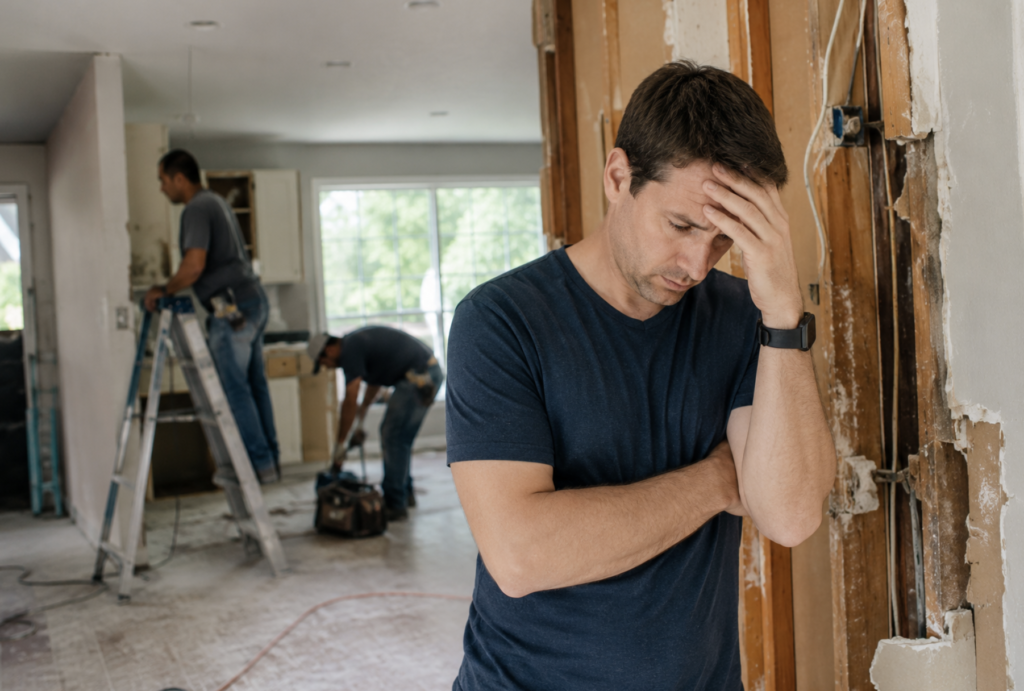
Home renovation can begin with an exciting vision. A dated kitchen becomes a modern gathering space, an unused patio becomes a comfortable outdoor living area, or an aging bathroom becomes a safer and more attractive part of the home. Unfortunately, the excitement can disappear quickly when scheduling problems, permit delays, hidden structural damage, unreliable subcontractors, and unexpected expenses begin to take over.
For homeowners throughout Central Florida, managing a major renovation without a qualified general contractor can become one of the most expensive mistakes they make. The region’s climate, building requirements, storm risks, soil conditions, and rapid residential growth create challenges that are easy to underestimate. What appears to be a straightforward remodeling project can involve multiple trades, inspections, material orders, legal requirements, and safety concerns.
A professional general contractor does much more than hire workers. The contractor serves as the central manager responsible for coordinating the project, protecting the homeowner’s investment, maintaining quality standards, and helping the work move toward completion. 🏠
Central Florida Renovations Have Unique Challenges
Central Florida is a broad and rapidly developing region that includes the Greater Orlando area and surrounding communities. The geography, climate, population growth, and construction activity described in this overview of Central Florida help explain why home improvement projects have become increasingly important throughout the region.
Homes in Orlando, Winter Park, Kissimmee, Clermont, Sanford, Lake Mary, Altamonte Springs, Apopka, and surrounding communities face intense sunlight, high humidity, heavy rain, strong winds, termites, mold risks, and seasonal tropical weather. Construction materials and installation methods must be appropriate for these conditions.
A renovation plan that works well in a cooler or drier state may not be suitable for Central Florida. Exterior materials must tolerate moisture and ultraviolet exposure. Roofing connections must be appropriate for high winds. Bathrooms, kitchens, and laundry rooms require careful moisture control. Additions and enclosed patios must be designed to withstand local environmental conditions.
An experienced Central Florida general contractor understands how these factors influence material selection, project sequencing, structural decisions, and long-term durability. Without that knowledge, homeowners may choose products that deteriorate prematurely or approve construction methods that create problems months or years later.
Permit Mistakes Can Stop a Project
One of the most common problems in a homeowner-managed renovation is misunderstanding which permits are required. Interior remodeling, structural changes, electrical upgrades, plumbing modifications, additions, window replacements, roofing work, and accessory structures may require permits and inspections.
Orange County provides specific alteration, renovation, and repair permitting information for property owners and construction professionals. Requirements can vary based on the project’s location, size, scope, and construction type. Other Central Florida counties and municipalities maintain their own permitting procedures.
Beginning work without the proper permit can result in stop-work orders, additional fees, failed inspections, removal of completed improvements, and problems when the property is sold. Unpermitted improvements may also complicate insurance claims or make buyers hesitant to purchase the home.
A general contractor can identify the permits that apply to the project, organize the required plans, submit documentation, communicate with building officials, and schedule inspections. This coordination reduces the likelihood that a project will be delayed because paperwork was incomplete or construction did not meet an inspector’s requirements.
Building Codes Are More Complicated Than They Appear
Florida’s construction standards are designed to promote safety, durability, energy efficiency, and resistance to environmental hazards. The official Florida Building Code covers numerous areas of construction, including structural systems, roofing, plumbing, mechanical work, electrical installations, accessibility, and energy conservation.
Homeowners frequently assume that an experienced carpenter, handyman, or individual subcontractor will automatically account for every applicable code provision. That assumption can be costly. Each trade may focus only on its portion of the work, leaving gaps between structural, electrical, plumbing, and mechanical requirements.
A wall removal provides a common example. The demolition itself may appear simple, but the wall could contain electrical wiring, plumbing lines, ductwork, or structural components. Removing it without a complete plan can affect the home’s stability or require expensive corrections.
A qualified general contractor evaluates how each part of the renovation connects to the rest of the property. The contractor coordinates the trades so that plumbing does not interfere with framing, electrical work remains accessible for inspection, and finished surfaces are not installed before concealed work has been approved.
Hiring Separate Subcontractors Does Not Create a Coordinated Team
Many homeowners attempt to save money by hiring a plumber, electrician, carpenter, flooring installer, painter, and cabinet installer separately. The homeowner then becomes responsible for coordinating every person, delivery, inspection, and change.
This arrangement often creates confusion. A flooring installer may arrive before cabinets are complete. A drywall crew may close a wall before an electrical inspection. Custom materials may be ordered using incorrect measurements. One subcontractor’s delay may leave several others unable to begin.
Scheduling construction requires more than placing names on a calendar. Each stage depends on work being completed correctly during the previous stage. Materials must arrive at the right time, inspections must occur before surfaces are covered, and subcontractors must understand the overall plan.
A general contractor creates a logical construction schedule and adjusts it when delays occur. The contractor also maintains communication among the trades, suppliers, inspectors, designers, and homeowner. This centralized management can prevent a small scheduling problem from becoming a major interruption.
Homeowners planning a substantial project can benefit from working with a General Contractor Near Me in Central Florida who understands local construction practices, permitting procedures, subcontractor availability, and weather-related challenges.
Unlicensed Work Can Create Financial and Legal Problems
A low estimate can be appealing, especially when renovation costs are already higher than expected. However, an unusually inexpensive proposal may indicate that the person performing the work lacks proper licensing, insurance, training, or experience.
The Florida Department of Business and Professional Regulation encourages property owners to use its official contractor license verification system before hiring someone. Verifying a license helps homeowners confirm that a contractor is authorized to perform the type of work being proposed.
Unlicensed individuals may ask homeowners to obtain permits under an owner-builder exemption. This arrangement can transfer significant responsibility to the property owner. The homeowner may become responsible for code compliance, worker supervision, insurance issues, payroll-related obligations, and jobsite safety.
A licensed general contractor provides a clearer line of professional accountability. The contractor is responsible for managing the permitted work, coordinating qualified subcontractors, and addressing construction deficiencies that arise within the project’s scope.
Storm Resistance Must Be Part of the Renovation Plan
Central Florida homeowners cannot treat storm resistance as an optional feature. Even properties located inland can experience high winds, wind-driven rain, falling trees, roof damage, flooding, and extended power outages during tropical systems.
The Florida Division of Emergency Management supports residential resilience through its Hurricane Loss Mitigation Program, which promotes property improvements and research intended to reduce hurricane-related losses.
Renovations provide an opportunity to strengthen vulnerable areas of a home. Roof-to-wall connections, exterior doors, windows, garage doors, drainage systems, roofing materials, and water barriers may all affect how the property performs during severe weather.
A general contractor can help homeowners consider resilience while planning improvements. This approach is more efficient than completing a cosmetic renovation and later removing finished materials to correct underlying weaknesses.
Proper installation also matters. A high-quality window, door, or roofing product cannot provide its intended protection when installed incorrectly. Contractors must follow approved installation methods, product specifications, fastening requirements, and inspection procedures.
Hidden Damage Can Change the Entire Project
Once demolition begins, contractors frequently discover conditions that were not visible during the initial estimate. Water-damaged framing, termite activity, outdated wiring, corroded plumbing, mold, inadequate insulation, improper previous repairs, or cracked structural components can significantly affect the scope of work.
An inexperienced project manager may try to cover the problem, delay the decision, or hire the first person available. A professional general contractor can evaluate the issue, bring in the appropriate specialist, document the condition, revise the schedule, and present the homeowner with practical options.
Hidden damage should never be treated as a cosmetic inconvenience. Moisture intrusion, for example, may indicate a roof, plumbing, drainage, flashing, or ventilation problem. Replacing damaged drywall without correcting the source of the moisture allows the damage to return.
Professional oversight helps ensure that the project addresses the cause of the problem rather than merely hiding the evidence.
Older Homes May Contain Additional Safety Hazards
Central Florida includes established neighborhoods with homes built long before many modern construction standards were adopted. Renovations in older homes can expose materials that require careful handling.
The United States Environmental Protection Agency explains that renovation work in homes built before 1978 may disturb lead-based paint. Its Lead Renovation, Repair and Painting Program provides guidance for reducing exposure to hazardous lead dust during remodeling activities.
Older homes may also contain outdated electrical systems, deteriorated plumbing, insufficient insulation, or building products that should be evaluated before removal. Renovation crews must understand how to isolate work areas, control dust, protect occupants, and dispose of materials appropriately.
A general contractor can identify when specialized testing or certified professionals are needed. This protects the homeowner, the construction crew, children, pets, and anyone occupying the property during the renovation.
Material Ordering Errors Can Destroy a Budget
Renovation materials are not always returnable. Custom cabinets, windows, countertops, doors, glass enclosures, and specialty finishes are often manufactured for exact measurements. A small measuring error can turn an expensive product into an unusable one.
General contractors typically coordinate field measurements, product specifications, ordering schedules, delivery requirements, and installation conditions. They also understand that a listed product dimension may differ from the rough opening or clearance required for installation.
Material substitutions create another risk. When a preferred item is unavailable, the replacement must still satisfy the design, code, performance, and installation requirements of the project. Selecting a product based only on appearance or price may create compatibility problems.
Professional material coordination reduces waste, prevents duplicate purchases, and helps ensure that products arrive before the workers who need them.
Poor Documentation Creates Disputes
Informal construction agreements often lead to misunderstandings. A brief text message or verbal promise may not clearly define the materials, labor, payment schedule, responsibilities, exclusions, or completion standards.
A professionally managed renovation should have a written scope of work. The documentation should identify what is included, what is excluded, how changes will be approved, and how additional costs will be handled.
Change orders are especially important. Homeowners commonly make adjustments after construction begins. Without written approval, the homeowner and subcontractor may remember the conversation differently. The disagreement may not surface until the final invoice arrives.
A general contractor maintains project records, contracts, estimates, invoices, selections, permits, inspection results, and change orders. Organized documentation creates transparency and gives everyone a reliable reference throughout the renovation.
Emergency Repairs Still Require Careful Decisions
Storm damage and sudden water intrusion can pressure homeowners into making fast decisions. Unfortunately, urgency also creates opportunities for unqualified workers and dishonest operators.
The Federal Emergency Management Agency advises property owners to contact local officials before beginning repairs because permits or rebuilding requirements may apply even after a disaster.
Homeowners should document damage, communicate with their insurance carrier when appropriate, verify contractor credentials, and avoid making large payments without a clear written agreement. Emergency stabilization may be necessary, but permanent repairs should still follow applicable codes and inspection requirements.
An established general contractor can help organize temporary protection, damage assessment, cleanup, reconstruction, and communication with the professionals involved in restoring the property.
Exterior Improvements Need Florida-Specific Planning
Central Florida home improvement extends beyond kitchens, bathrooms, roofs, and additions. Drainage, grading, irrigation, patios, walkways, and landscaping can directly affect a home’s foundation, moisture levels, and long-term condition.
The University of Florida’s Institute of Food and Agricultural Sciences offers research-based information on renovating Florida lawns and maintaining landscapes suited to the state’s climate.
Outdoor improvements should direct water away from the home rather than toward the foundation. Plants, irrigation systems, hardscaping, and soil levels should not block drainage paths or trap moisture against exterior walls.
When a renovation includes a pool area, screen enclosure, outdoor kitchen, patio roof, drainage modifications, or substantial hardscaping, the general contractor can coordinate the exterior work with the home’s structural and mechanical systems.
The Lowest Estimate Is Rarely the Lowest Final Cost
Homeowners sometimes compare estimates using only the total printed at the bottom of each proposal. That number may not reveal differences in materials, labor standards, permits, supervision, cleanup, insurance, warranties, or excluded work.
An incomplete estimate may appear affordable because important parts of the project were omitted. Those items return later as additional charges. The homeowner may also pay to repair poor-quality work or replace materials that were not suitable for the application.
A qualified general contractor helps establish a realistic budget before construction begins. Although no renovation is completely free from surprises, thorough planning can reduce the number and severity of unexpected expenses.
The value of professional management is not limited to the labor performed. It also includes mistakes prevented, time saved, risks reduced, and decisions made correctly before they become costly.
A General Contractor Protects the Entire Renovation
A successful renovation depends on hundreds of connected decisions. Design choices affect structural work. Structural work affects electrical and plumbing placement. Product availability affects scheduling. Inspections affect when walls and ceilings can be closed. Weather affects exterior construction and material storage.
The general contractor manages these connections. Instead of requiring the homeowner to negotiate with several unrelated workers, the contractor provides one central point of responsibility.
This structure allows homeowners to remain involved in important design and budget decisions without becoming full-time construction managers. It also creates a more orderly process for addressing delays, changes, inspections, and unexpected conditions.
Conclusion
Renovating without a general contractor may appear to offer immediate savings, but the homeowner assumes responsibility for permits, schedules, inspections, subcontractors, safety, material orders, documentation, and code compliance. One mistake in any of these areas can eliminate the expected savings and add weeks or months to the project.
Central Florida homes require improvements that account for heat, humidity, heavy rain, tropical weather, building codes, and local permitting requirements. Professional construction management helps ensure that those regional conditions are considered from the beginning.
A qualified general contractor brings organization, accountability, technical knowledge, and local experience to the renovation. The contractor helps turn separate workers and materials into one coordinated project while protecting the home’s safety, durability, value, and appearance.
For Central Florida homeowners, hiring a general contractor is not simply an added expense. It is an investment in completing the renovation correctly, legally, efficiently, and with fewer costly surprises. 🔨