Insulate Smart, Live Comfortable 🔧🔥
If you’ve ever walked into your attic or garage and felt like you just entered the Arctic—or a sauna—you’re not alone. Insulation is one of the most important and overlooked elements in making a home energy-efficient, comfortable, and affordable to maintain. But what kind of insulation should you use? And why are more homeowners and contractors turning to blown-in insulation?
In this comprehensive guide, we’re breaking down everything you need to know about blown-in insulation—what it is, how it works, the types available, benefits, installation, cost considerations, and whether it’s the right choice for your home or project.
Let’s blow the lid off this topic and help you make an informed decision for a warmer winter and a cooler summer. ☀️❄️
What Is Blown-In Insulation? 📦🌀
Blown-in insulation, also known as loose-fill insulation, is a type of thermal barrier made of small particles of fiber, foam, or other materials that are blown into a building cavity using specialized equipment. Unlike traditional batt insulation (think fiberglass blankets), blown-in insulation fills in gaps, corners, and crevices much more effectively.
Common Materials Used:
- Cellulose (recycled paper, usually treated for fire resistance)
- Fiberglass (similar to batt but in small chunks)
- Mineral wool (rock wool or slag wool, denser and more fire-resistant)
Blown-in insulation is primarily used in:
- Attics
- Wall cavities
- Floors between stories
- Crawl spaces
According to the U.S. Department of Energy, blown-in insulation is one of the most effective ways to improve your home’s thermal envelope and reduce heating and cooling costs by up to 20% annually.
How Does Blown-In Insulation Work? 🛠️🌬️
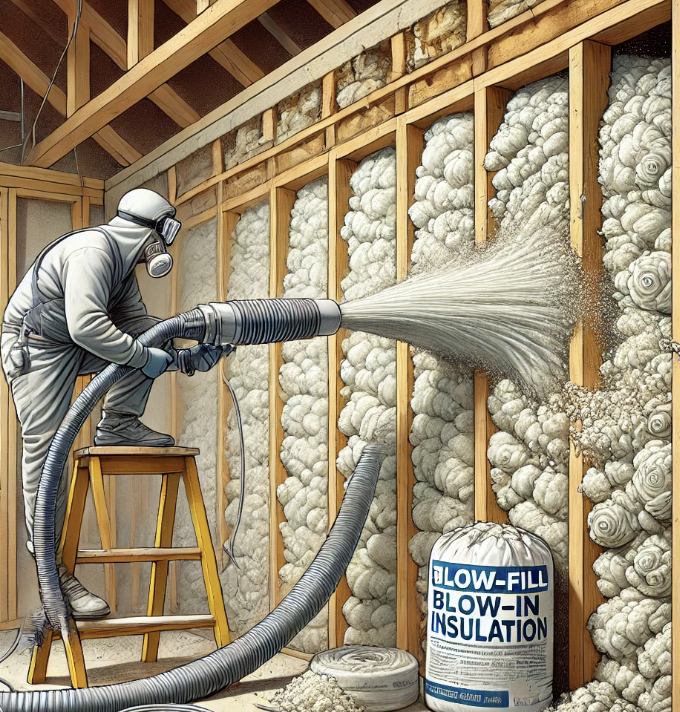
The installation process involves a machine that aerates and blows the insulation material through a flexible hose into the designated space. The goal is to create a dense, even layer that reduces airflow and thermal transfer.
Here’s how it works:
- Preparation: The installer seals air leaks and sets up protective barriers.
- Application: Using a blowing machine, insulation is dispersed evenly into joist cavities or wall bays.
- Leveling: The material settles and conforms to the space, creating a seamless thermal barrier.
This process makes blown-in insulation ideal for retrofits and older homes that have hard-to-reach areas.
Types of Blown-In Insulation: What’s Inside the Fluff? 🧃📚
Each type of blown-in insulation has unique characteristics. Let’s take a closer look:
1. Cellulose Insulation 📦🌱
- Made from recycled newspaper or cardboard
- Treated with fire-retardant chemicals
- R-value: ~3.2–3.8 per inch
- Eco-friendly and widely used
Pros:
- Excellent at filling gaps
- Environmentally responsible
- Soundproofing capabilities
Cons:
- Heavier than fiberglass
- Can settle over time, reducing R-value
2. Fiberglass Insulation 💨💡
- Made from fine glass fibers
- Non-combustible and resistant to moisture
- R-value: ~2.2–2.9 per inch
Pros:
- Affordable
- Doesn’t settle much over time
- Doesn’t attract pests
Cons:
- Can irritate skin and lungs during installation
- Slightly lower R-value than cellulose
3. Mineral Wool Insulation 🔥🪨
- Made from basalt or recycled slag
- Naturally fire and pest resistant
- R-value: ~3.0–3.3 per inch
Pros:
- High fire resistance
- Resists mold and mildew
- Great soundproofing
Cons:
- More expensive
- Less commonly available
Benefits of Blown-In Insulation 🎯💰
Why are so many homeowners making the switch? Because blown-in insulation brings a wide range of advantages that directly impact comfort, energy usage, and home value.
1. Energy Efficiency 💡⚡
Blown-in insulation significantly reduces heat loss in the winter and heat gain in the summer. It forms a tight thermal barrier that helps HVAC systems work more efficiently.
According to ENERGY STAR, improving insulation can save homeowners up to 15% on heating and cooling bills.
2. Fast and Easy Installation ⏱️
Unlike cutting and fitting batts, blown-in insulation is quick to install—most attics can be done in a few hours. The machinery makes it ideal for retrofits without major tear-outs.
3. Excellent Coverage 🔍
Thanks to its loose-fill nature, blown-in insulation fills all the nooks and crannies—resulting in fewer cold spots, better noise control, and even humidity management.
4. Eco-Friendly Options 🌎
Cellulose, made of 85% recycled paper, is one of the greenest insulation materials on the market. Even fiberglass has been upgraded in many brands to include recycled glass content.
5. Fire and Pest Resistance 🔥🐜
Treated cellulose and mineral wool naturally deter pests and resist combustion, adding another layer of safety to your home.
Where Can Blown-In Insulation Be Used? 🏠📍
Blown-in insulation is remarkably versatile and suitable for both residential and commercial applications. Here are the top areas:
Attics
The most common application. Inadequate attic insulation is a major contributor to energy loss.
Walls
Great for retrofitting without tearing down drywall. Holes are drilled, filled, and patched.
Floors
Used between levels or over garages to reduce noise and energy loss.
Crawl Spaces & Basements
Helps prevent pipe freezing, moisture intrusion, and cold floor syndrome.
What’s the R-Value and Why Does It Matter? 🧮❓
R-value measures the resistance of insulation to heat flow—the higher the R-value, the better the insulating power.
Here’s a general breakdown:
- R30–R60 for attics (depending on climate)
- R13–R21 for walls
- R25–R30 for floors
You can use the Department of Energy’s insulation map to find the recommended R-values for your region.
Blown-In Insulation vs. Batt Insulation 🥊📊
| Feature | Blown-In | Batt (Roll) |
|---|---|---|
| Coverage | Excellent (fills gaps) | Limited (can leave air pockets) |
| Installation Speed | Fast (machine-assisted) | Moderate (manual) |
| Material Types | Cellulose, fiberglass, wool | Fiberglass, mineral wool |
| Ideal for Retrofitting | Yes | Not ideal without drywall removal |
| Cost | Slightly higher upfront | Lower upfront cost |
| Long-Term Efficiency | More consistent | May degrade over time |
What About Cost? 💵📉
Costs vary depending on the material, home size, location, and installer. On average:
- Cellulose: $1.00–$1.50 per square foot
- Fiberglass: $0.90–$1.20 per square foot
- Mineral Wool: $1.50–$2.00 per square foot
DIY kits are available at stores like Home Depot or Lowe’s, but professional installation is recommended for consistency and safety—especially when dealing with wall cavities or electrical elements.
Installation: DIY or Hire a Pro? 🧰👷
While DIY might seem appealing, professional installation is the best way to ensure complete coverage and code compliance.
Pros have:
- Industrial-grade blowing machines
- Safety gear and techniques
- Experience with air sealing and prep
If you’re set on DIY, make sure to wear a respirator, goggles, gloves, and long sleeves. And don’t skip air sealing first!
Maintenance and Lifespan 🔁📆
Once properly installed, blown-in insulation can last 20–30 years or more. However, things like moisture damage, pest infestations, or settling over time can affect performance.
Pro tip: Have your insulation inspected every 5–7 years, especially if you notice rising energy bills or drafts.
Blown-In Insulation and the Environment 🌿♻️
Cellulose insulation, in particular, shines as an environmentally sustainable choice. According to the Cellulose Insulation Manufacturers Association, using cellulose insulation instead of fiberglass prevents tons of paper waste from ending up in landfills and reduces the need for virgin materials.
Plus, increased insulation means less energy usage, which reduces carbon emissions. Win-win. 🌍✅
Final Thoughts: Should You Choose Blown-In Insulation? 🏠💭
If you’re looking for a high-performance, cost-effective, and eco-conscious solution to improve your home’s comfort and efficiency, blown-in insulation is a smart move.
It’s fast, reliable, and flexible—especially for existing homes with difficult-to-reach cavities. Whether you opt for cellulose, fiberglass, or mineral wool, blown in insulation delivers year-round comfort, better air quality, and lower energy bills. 💸💨
Remember: Not all insulation is created equal. Partnering with a licensed, experienced installer ensures you get the maximum benefit—and peace of mind.
Ready to make your home more energy-efficient? 🔋 Consider scheduling an energy audit or insulation consultation to find out if blown-in insulation is right for you.
Want to learn more? Visit these resources:
Need help choosing or installing blown-in insulation? Drop your zip code and we’ll connect you with top-rated insulation pros near you. 🛠️📍