The Importance of a Fire Watch: Safeguarding Lives and Property

importance of a fire watch

Fires have the potential to cause immense destruction, posing a significant threat to both lives and property. As responsible individuals and organizations, it is crucial to implement effective fire safety measures to prevent such disasters. One essential component of fire safety is the concept of a fire watch. In this blog post, we will explore the significance of a fire watch, its purpose, and the key roles it plays in mitigating fire risks. By understanding the importance of a fire watch, we can ensure the safety of our communities and protect valuable assets.

Understanding Fire Watch

A fire watch refers to a designated period during which a trained individual or a team closely monitors a particular area or facility to detect and respond to potential fire hazards promptly. It involves vigilant observation, regular patrols, and the use of advanced fire detection systems to identify any signs of fire or hazardous conditions. Fire watches are typically required in situations where fire protection systems are temporarily impaired or non-operational, such as during construction, maintenance, or other high-risk activities.

The Purpose of a Fire Watch

Immediate Fire Detection: The primary purpose of a fire watch is to detect and report fires as early as possible. By conducting regular patrols and maintaining a constant presence, fire watch personnel can quickly identify signs of fire, including smoke, unusual odors, or visual cues such as flickering flames. This early detection enables swift response and minimizes the potential for extensive damage.

Emergency Response: In addition to fire detection, fire watch personnel are trained to initiate immediate emergency response procedures. They can raise the alarm, evacuate occupants, and assist in the containment of the fire until professional firefighters arrive on the scene. Their presence provides reassurance to occupants and helps to maintain order and calm during a chaotic situation.

Protection of Valuable Assets: Businesses, construction sites, industrial facilities, and other premises often house valuable assets, including equipment, materials, and infrastructure. A fire watch helps safeguard these assets by promptly identifying fire risks, preventing potential losses, and taking proactive measures to minimize damage. By implementing a fire watch, organizations demonstrate their commitment to protecting their investments and ensuring business continuity.

Key Roles and Responsibilities of Fire Watch Personnel

Vigilant Monitoring: A Texas Fire Watch company told me fire watch personnel must remain alert and actively monitor their assigned areas. They conduct regular patrols, paying close attention to fire hazard-prone areas, ensuring that potential risks are detected before they escalate into emergencies. Their consistent vigilance helps maintain a safe environment and prevents potential fire incidents.

Prompt Reporting: Fire watch personnel are responsible for promptly reporting any signs of fire or hazardous conditions to the appropriate authorities and personnel. Their timely reporting ensures that appropriate emergency response measures can be activated swiftly, minimizing the potential for extensive damage and injuries.

Crowd Control and Evacuation Assistance: In situations where immediate evacuation is necessary, fire watch personnel play a crucial role in managing crowds and guiding occupants to safety. They are trained in evacuation procedures, assisting individuals who may require support, and maintaining order during the evacuation process. Their presence helps to prevent panic and ensures an organized and efficient evacuation.

Fire Prevention Measures: Fire watch personnel also contribute to fire prevention efforts by ensuring compliance with fire safety regulations and procedures. They verify that fire prevention systems, such as fire extinguishers, sprinklers, and alarms, are operational and accessible. In addition, they may enforce safety protocols, such as keeping flammable materials properly stored and maintaining clear pathways for emergency exits.

Compliance with Legal and Regulatory Requirements

Fire watches are not only a recommended best practice but are often mandatory under local, state, and federal regulations. Authorities impose these requirements to ensure the safety of individuals and property. Failing to comply with these regulations can result in severe penalties, legal liabilities, and reputational damage for businesses and individuals. By diligently implementing and maintaining a fire watch when required, organizations demonstrate their commitment to safety and compliance.

Conclusion

A fire watch serves as a crucial element in ensuring fire safety and protecting lives and property. Through continuous monitoring, early fire detection, and prompt emergency response, fire watch personnel play a vital role in mitigating fire risks. By understanding the purpose and significance of a fire watch, organizations and individuals can take proactive steps to prevent and minimize the impact of fires. Ultimately, the investment in a comprehensive fire safety strategy, including the implementation of a fire watch, helps create safer environments, safeguard valuable assets, and save lives.

How to Deal With Flaky Skin: Your Comprehensive Guide

dealing with Flaky Skin

Flaky skin can be a frustrating and uncomfortable condition that affects many people. Whether it’s due to dryness, environmental factors, or underlying skin conditions, dealing with flaky skin requires a proactive approach and a well-rounded skincare routine. In this comprehensive guide, we will explore the causes of flaky skin, practical tips to manage and prevent it, and recommended products to restore your skin’s natural glow.

Understanding Flaky Skin

Before diving into the solutions, it’s crucial to understand the root causes of flaky skin. Flakiness can stem from various factors, including:

Dry Skin: Insufficient moisture retention leads to the buildup of dead skin cells, resulting in flakiness.

Environmental Factors: Exposure to harsh weather conditions, such as cold winds or excessive heat, can strip the skin of its natural oils.

Skin Conditions: Conditions like eczema, psoriasis, or dermatitis can cause flaking and require specific treatment approaches.

Skincare Tips to Manage Flaky Skin

Hydration is Key: Drink an adequate amount of water to maintain skin hydration from within.

Gentle Cleansing: Use a mild, hydrating cleanser to cleanse your skin without stripping away essential oils.

Moisturize Regularly: Apply a rich, emollient moisturizer immediately after cleansing to lock in moisture.

Exfoliation: Incorporate gentle exfoliation into your skincare routine to remove dead skin cells especially if you have flaky skin on face. However, avoid excessive exfoliation, as it can exacerbate flakiness.

Protect Your Skin: Shield your skin from harsh environmental factors by using sunscreen and protective clothing.

Humidify Your Environment: Use a humidifier in your home or office to add moisture to the air, especially during dry seasons.

Flaky Skin Prevention

Follow a Consistent Skincare Routine: Establish a skincare regimen that includes cleansing, moisturizing, and exfoliation tailored to your skin type.

Avoid Hot Showers: Hot water can strip away natural oils, leading to flaky skin. Opt for lukewarm showers instead.

Choose Gentle Products: Select skincare products formulated for sensitive or dry skin, avoiding harsh chemicals and fragrances that can aggravate flakiness.

Wear Sunscreen: Protect your skin from harmful UV rays, which can worsen flaky skin conditions and cause pigmentation issues.

Maintain a Healthy Diet: Consume foods rich in omega-3 fatty acids, vitamins, and antioxidants to nourish your skin from the inside out.

Manage Stress Levels: Stress can contribute to skin problems, including flakiness. Incorporate stress-reducing activities like meditation, yoga, or exercise into your routine.

Recommended Products for Flaky Skin

Gentle Cleansers: CeraVe Hydrating Facial Cleanser, La Roche-Posay Toleriane Hydrating Gentle Cleanser, or Neutrogena Hydro Boost Hydrating Cleansing Gel.

Moisturizers: Cetaphil Moisturizing Cream, Aveeno Daily Moisturizing Lotion, or The Ordinary Natural Moisturizing Factors + HA.

Exfoliants: Paula’s Choice Skin Perfecting 2% BHA Liquid Exfoliant, Dermalogica Daily Microfoliant, or Pixi Glow Tonic.

Sunscreens: EltaMD UV Clear Facial Sunscreen, La Roche-Posay Anthelios Melt-In Sunscreen Milk, or Neutrogena Ultra Sheer Dry-Touch Sunscreen. Note: Always patch test new products and consult a dermatologist if you have specific skin concerns or conditions.

Conclusion

Dealing with flaky skin requires a proactive and holistic approach to skincare. By understanding the causes of flakiness, implementing effective skincare practices, and using recommended products, you can restore your skin’s natural balance and achieve a healthier complexion. Remember, consistency and patience are key when addressing flaky skin concerns. Embrace a well-rounded skincare routine and consult a dermatologist if the problem persists. With proper care, you can enjoy smoother, flake-free skin and regain your confidence.

The Importance of Egress Door Inspections: Ensuring Safety and Compliance

explaining egress doors

When it comes to building safety, one crucial aspect that often goes unnoticed is the inspection of egress doors. Egress doors play a vital role in providing a safe and efficient means of exit during emergencies. However, without regular inspections and maintenance, these doors can become compromised, potentially leading to disastrous consequences. In this article, we will explore the significance of egress door inspections, their importance in ensuring safety and compliance, and the key components involved in the inspection process.

Understanding Egress Doors and Their Purpose

Before delving into the significance of egress door inspections, it is important to understand what egress doors are and their fundamental purpose. Egress doors are exit doors specifically designed to provide a safe and efficient means of escape during emergencies, such as fires, earthquakes, or other hazardous situations. These doors are strategically placed in buildings to ensure that occupants can quickly and easily exit to a safe area.

Egress doors are subject to specific regulations and standards set by local building codes and safety organizations. These codes outline various requirements for egress doors, including size, operation, signage, and maintenance. Compliance with these regulations is crucial to ensure the safety and well-being of building occupants.

The Significance of Egress Door Inspections

Regular egress door inspections are essential for maintaining the functionality, reliability, and compliance of these critical components. Here are several key reasons why Egress Door Inspection Training and Certification are of utmost importance:

Ensuring Safety during Emergencies: Egress doors are intended to facilitate quick and safe evacuation during emergencies. However, if these doors are not properly maintained, they may fail to function as intended, leading to delays or blockages during evacuation. Regular inspections help identify potential issues and ensure that egress doors are in optimal working condition.

Compliance with Building Codes and Regulations: Local building codes and safety regulations require egress doors to meet specific standards. By conducting regular inspections, building owners and managers can ensure that their doors comply with these requirements, avoiding potential penalties and legal issues.

Identifying Maintenance and Repair Needs: Egress doors are subjected to daily wear and tear, which can compromise their functionality over time. Inspections enable the identification of maintenance and repair needs, such as broken hinges, damaged frames, faulty hardware, or worn-out seals. Addressing these issues promptly helps prevent further deterioration and ensures that the doors function reliably.

Preventing Security Risks: Egress doors not only serve as emergency exits but also contribute to the security of a building. Regular inspections can help identify any security vulnerabilities, such as damaged locks or compromised access control systems, which may put the building at risk of unauthorized entry. Ensuring the integrity of egress doors enhances both safety and security.

Extending the Lifespan of Egress Doors: By regularly inspecting and maintaining egress doors, their lifespan can be significantly extended. Timely repairs and replacements of worn-out components prevent further damage and deterioration, ultimately reducing the need for costly door replacements.

Key Components of Egress Door Inspections

Egress door inspections encompass various components that collectively contribute to the overall safety and compliance of these crucial exit points. Here are the key aspects involved in egress door inspections:

Structural Integrity: Inspectors examine the structural integrity of the door and frame, checking for any signs of damage, deterioration, or misalignment. They ensure that the door is securely attached to the frame, opens and closes smoothly, and fits properly within the opening.

Hardware Functionality: The functionality of door hardware is crucial for safe operation. Inspectors examine components such as hinges, latches, panic hardware, and closing devices to ensure they are in proper working condition. This includes verifying that hardware meets the necessary standards and that any additional security features, such as access control systems, operate as intended.

Fire Rating and Smoke Seals: Egress doors in certain buildings, particularly those with fire-rated requirements, must meet specific fire resistance standards. Inspections include verifying the fire rating of the door, inspecting the integrity of fire-resistant materials, and checking the effectiveness of smoke seals or gaskets.

Signage and Emergency Lighting: Proper signage and emergency lighting play a critical role in guiding occupants during emergencies. Inspectors evaluate the visibility and accuracy of exit signs, as well as the functionality of emergency lighting systems, to ensure that they provide clear guidance under various conditions.

Accessibility Considerations: Egress doors should be accessible to all individuals, including those with disabilities. Inspections take into account features such as proper door width, appropriate door handles and hardware, and the presence of accessible routes leading to the egress doors.

Conclusion

Egress door inspections are a vital component of building safety, ensuring that occupants can exit a structure quickly and safely during emergencies. By conducting regular inspections, building owners and managers can proactively address any issues, maintain compliance with building codes, and extend the lifespan of egress doors. These inspections encompass various aspects, such as structural integrity, hardware functionality, fire resistance, signage, and accessibility considerations. By prioritizing egress door inspections, we can enhance the overall safety and security of buildings, protecting the lives of occupants and minimizing the potential impact of emergencies.

Why Custom Cabinets are a Good Investment

invest into custom cabinets

When it comes to renovating or remodeling your kitchen, one of the most important decisions you’ll make is choosing the right cabinets. While pre-made or stock cabinets may seem like a convenient option, investing in custom cabinets can bring a myriad of benefits that outweigh the initial cost. Custom cabinets are tailored to fit your unique space, preferences, and lifestyle, offering a level of quality and personalization that mass-produced alternatives simply cannot match. In this article, we will delve into the various reasons why custom cabinets are a smart investment for your home.

Unparalleled Design Flexibility

Custom cabinets provide you with the freedom to create a kitchen that truly reflects your personal style. Unlike stock cabinets that come in limited sizes, shapes, and finishes, custom cabinets are designed to your exact specifications. From the choice of materials, finishes, hardware, and layouts, you have complete control over every aspect of the design process. This level of customization ensures that your cabinets perfectly complement your kitchen aesthetics, creating a cohesive and visually stunning space.

Superior Craftsmanship and Durability

One of the main advantages of custom cabinets is the exceptional craftsmanship they offer. Skilled artisans meticulously construct each cabinet, paying attention to every detail. The use of high-quality materials, precision joinery techniques, and superior finishes results in cabinets that are not only visually appealing but also built to last. Custom cabinets can withstand the rigors of everyday use, providing long-term durability and functionality that surpasses their mass-produced counterparts.

Optimized Storage Solutions

Every kitchen has unique storage needs, and custom cabinets allow you to address them effectively. With custom cabinets, you can optimize storage space by incorporating specialized features such as pull-out drawers, built-in spice racks, adjustable shelves, and custom dividers. These tailored storage solutions maximize the efficiency of your kitchen, ensuring that every item has its designated place. From small appliances to oversized cookware, custom cabinets can be designed to accommodate your specific storage requirements.

Enhanced Functionality and Organization

Custom cabinets are not only about aesthetics; they also offer enhanced functionality and organization. By working closely with a cabinet designer, you can create a layout that suits your cooking style and workflow. A Custom Cabinets Houston business owner told me custom cabinets allow for intelligent space utilization, ensuring that everything you need in your kitchen is within easy reach. Whether it’s a hidden trash bin, a dedicated baking station, or a designated space for your coffee machine, custom cabinets help you organize your kitchen in a way that promotes efficiency and convenience.

Increased Home Value

Investing in custom cabinets can significantly increase the value of your home. Potential buyers are often drawn to kitchens that are well-designed, functional, and visually appealing. Custom cabinets are considered a desirable feature, and they can set your home apart from others on the market. By choosing custom cabinets, you are making an investment that not only enhances your daily living but also pays off in the long run if you decide to sell your property.

Long-Term Cost Savings

Although custom cabinets may require a higher upfront investment compared to stock cabinets, they can lead to long-term cost savings. Custom cabinets are built to last, meaning you won’t have to replace them as frequently as lower-quality alternatives. Additionally, the superior craftsmanship and durability of custom cabinets reduce the chances of costly repairs or maintenance down the line. By investing in custom cabinets, you are making a wise choice that pays off in terms of longevity and reduced long-term expenses.

Conclusion

Custom cabinets offer a myriad of advantages that make them a worthwhile investment for your kitchen. From design flexibility and superior craftsmanship to optimized storage solutions and increased home value, the benefits of custom cabinets far outweigh their initial cost. By choosing custom cabinets, you not only create a kitchen that perfectly suits your needs and style.

Enhancing Well-being: A Comprehensive Guide on How the Elderly Should Approach Exercise

exercise for elderly

As individuals age, maintaining an active lifestyle becomes increasingly crucial for overall health and well-being. Regular exercise not only enhances physical strength and flexibility but also boosts cognitive function, improves mood, and reduces the risk of chronic conditions. However, it is essential for the elderly to approach exercise with caution and tailor their routines to suit their specific needs and limitations. In this comprehensive guide, we will explore various aspects of exercise for the elderly, including its benefits, recommended types of exercises, safety considerations, and tips for getting started.

The Importance of Exercise for the Elderly

Enhancing Physical Health:

a. Improved cardiovascular function and reduced risk of heart disease

b. Strengthened bones and reduced risk of osteoporosis

c. Enhanced balance and reduced risk of falls

d. Maintained muscle mass and strength

Boosting Mental Well-being:

a. Improved cognitive function and reduced risk of dementia

b. Enhanced mood and reduced symptoms of depression and anxiety

c. Increased energy levels and reduced fatigue

d. Improved sleep patterns

Types of Exercises Suitable for the Elderly

Aerobic Exercises:

a. Walking: Benefits, tips, and safety considerations

b. Swimming: Low-impact and joint-friendly exercise

c. Cycling: Benefits and precautions

d. Water aerobics: Gentle workout with added resistance

Strength Training:

a. Importance of maintaining muscle mass

b. Bodyweight exercises: Squats, lunges, push-ups, and more

c. Resistance band exercises: Safe and effective strength training

d. Weight machines: Proper form and precautions

Flexibility and Balance Exercises:

a. Stretching exercises: Enhancing flexibility and preventing injuries

b. Yoga and Tai Chi: Promoting balance, flexibility, and mindfulness

c. Chair-based exercises: Ideal for individuals with limited mobility

Safety Considerations and Precautions

Consultation with Healthcare Professionals:

a. Discussing exercise plans with doctors or healthcare providers

b. Addressing existing health conditions and modifications to exercise routines

Warm-up and Cool-down:

a. Importance of gradual warm-up exercises

b. Cooling down to prevent muscle soreness and promote recovery

Proper Form and Technique:

a. Guidance from trained professionals or fitness instructors

b. Avoiding excessive strain and injury

Appropriate Clothing and Footwear:

a. Comfortable and breathable clothing

b. Supportive footwear to prevent falls and injuries

Tips for Getting Started and Staying Motivated

Setting Realistic Goals:

a. Creating achievable and measurable targets

b. Focusing on individual progress rather than comparing with others

Finding Suitable Exercise Programs:

a. Joining senior fitness classes or community groups

b. Exploring online resources and exercise tutorials

Incorporating Exercise into Daily Routine:

a. Establishing a regular exercise schedule

b. Breaking exercise sessions into smaller, manageable intervals

Social Support and Accountability:

a. Exercising with friends or family members

b. Joining support groups or fitness communities

Conclusion

A Tampa Bay Senior Fitness expert told me regular exercise is a vital component of healthy aging, providing numerous physical and mental benefits for the elderly. By understanding the importance of exercise, selecting appropriate activities, and considering safety precautions, older individuals can maintain and improve their overall well-being. Whether it’s a leisurely stroll, a gentle yoga session, or strength training with resistance bands, there are various exercise options to suit different abilities and interests.

How to Grow A Business in Seattle

Seattle business growth

Seattle is one of the fastest-growing cities in the United States and a hub for technology, healthcare, and retail industries. The city is home to some of the most innovative companies in the world, including Amazon, Microsoft, and Boeing. It has a thriving business community that is constantly evolving and growing. If you are looking to grow your business in Seattle, there are several things you can do to increase your chances of success. In this blog post, we will explore some of the key strategies for growing a business in Seattle.

Build a strong online presence

One of the most important things you can do to grow your business in Seattle is to build a strong online presence. Seattle is a tech-savvy city, and people are increasingly turning to the internet to find businesses and services. Make sure your business has a professional website that is easy to navigate and optimized for search engines. Consider creating social media profiles on platforms like Facebook, Twitter, and LinkedIn to reach a wider audience. You can also invest in online advertising to drive more traffic to your website and social media pages.

Network with other business owners

Seattle has a vibrant business community, and networking with other business owners can be a great way to grow your business. Attend local events, such as business mixers and networking events, to meet other entrepreneurs and potential clients. Join industry-specific organizations and attend conferences to stay up-to-date on the latest trends and technologies in your field. By building relationships with other business owners, you can gain valuable insights and find new opportunities for growth.

Leverage the power of local SEO

Local search engine optimization (SEO) is a powerful tool for growing your business in Seattle. When people search for businesses in Seattle, they are more likely to choose businesses that appear at the top of search engine results pages (SERPs). By optimizing your website for local SEO, you can increase your visibility in search results and attract more customers to your business. Some key strategies for local SEO include creating location-specific landing pages, claiming your Google My Business listing, and building local backlinks.

Offer exceptional customer service

Seattleites are known for their discerning tastes and high expectations when it comes to customer service. To grow your business in Seattle, you need to offer exceptional customer service that goes above and beyond what your competitors are offering. Train your staff to be friendly, knowledgeable, and responsive to customer needs. Respond promptly to customer inquiries and complaints, and make sure your customers feel valued and appreciated. By providing a great customer experience, you can build a loyal customer base and generate positive word-of-mouth advertising.

Participate in community events and sponsorships

Seattle is a city that values community involvement and social responsibility. A Seattle foundation crack repair business owner told me by participating in local events and sponsoring community organizations, you can show your customers that you are committed to making a positive impact in the community. Consider sponsoring local sports teams, festivals, or charitable organizations. You can also participate in volunteer events or organize your own charitable initiatives. By getting involved in the community, you can build goodwill and strengthen your brand reputation.

Stay up-to-date on local regulations and policies

Seattle has a complex regulatory environment that can be challenging for businesses to navigate. Stay up-to-date on local regulations and policies that may impact your business, such as minimum wage laws, zoning regulations, and environmental regulations. Join industry associations and advocacy groups that can help you stay informed and advocate for your business interests. By staying informed and engaged, you can avoid costly fines and penalties and ensure that your business is operating in compliance with local laws.

Conclusion

Seattle is a dynamic and innovative city that offers tremendous opportunities for business growth.

Why Health Home Care Services is Important

elder home health care

Home health care services are an essential part of the health care system, providing medical care and support to individuals in their homes. These services allow patients to receive quality care while remaining in the comfort of their own homes. Home health care has been shown to improve patient outcomes, reduce hospital readmissions, and lower overall healthcare costs. In this article, we will explore the importance of home health care services and how they benefit patients and their families.

Promotes Independence and Quality of Life

One of the main advantages of home health care services is that they promote independence and quality of life for patients. Home health care providers work with patients to develop a personalized care plan that meets their specific needs and goals. This allows patients to maintain their independence and continue to engage in the activities they enjoy, without the restrictions of a hospital or long-term care facility.

Provides Comfort and Familiarity

Home health care services provide patients with the comfort and familiarity of their own home, which can be particularly important for patients with chronic illnesses or disabilities. Being in a familiar environment can reduce stress and anxiety, which can contribute to improved health outcomes. Home health care providers work with patients to create a comfortable and safe environment that meets their specific needs.

Reduces Hospital Readmissions

Health home care services can help reduce hospital readmissions by providing patients with the care and support they need to manage their health at home. By working closely with patients and their families, home health care providers can identify potential health issues early and provide prompt intervention, which can prevent the need for hospitalization.

Improves Care Coordination

Home health care services can also improve care coordination between healthcare providers. Home health care providers work closely with patients’ doctors, nurses, and other healthcare professionals to ensure that patients receive the appropriate care and support they need. This collaboration can help prevent medical errors, reduce duplication of services, and improve overall healthcare quality.

Cost-Effective

Home health care services are also cost-effective compared to hospitalization or long-term care facilities. By providing care in the home, home health care services reduce the need for costly hospital stays and long-term care, which can save patients and their families thousands of dollars in healthcare costs.

Offers Personalized Care

Home health care services provide personalized care to patients, which is tailored to their individual needs and preferences. This allows patients to receive care that is focused on their specific health goals and concerns. Home health care providers work with patients to develop a care plan that includes everything from medication management to rehabilitation exercises, ensuring that patients receive the care and support they need to achieve optimal health outcomes.

Provides Support for Family Caregivers

Home health care services also provide support for family caregivers, who often play a critical role in caring for their loved ones. Home health care providers can educate family caregivers on how to manage their loved one’s health condition, provide respite care to give caregivers a break, and offer emotional support and guidance throughout the caregiving journey.

Conclusion

In conclusion, home health care services are essential for promoting independence, improving quality of life, and reducing healthcare costs for patients and their families. These services offer personalized care, promote comfort and familiarity, and improve care coordination between healthcare providers. Home health care services can also prevent hospital readmissions and provide support for family caregivers, making them a valuable component of the healthcare system. As the population continues to age, the demand for home health care services will continue to grow, making it important for policymakers and healthcare providers to prioritize these services and ensure that they are accessible to all who need them.

Should You do an Auction to Sell Assets?

sell assets at auctions

Whether you should do an auction to sell assets depends on various factors such as the type of assets you want to sell, the current market demand for those assets, and your specific goals and objectives for the sale.

Here are some potential advantages of using an auction to sell assets:

Competitive bidding: Auctions typically attract multiple potential buyers who compete against each other to make the highest bid. This competition can help drive up the price of the assets, potentially resulting in a higher selling price than you might get through other methods.

Speed: Auctions can be a quick and efficient way to sell assets, as they typically have a set timeframe for bidding and closing the sale.

Transparency: Auctions are typically conducted in a public and transparent manner, which can help build trust among potential buyers and result in a fair market price for the assets.

Flexibility: Depending on the auction format, you may have some flexibility in setting terms and conditions of the sale, such as reserve prices, minimum bids, or the ability to reject bids that don’t meet certain criteria.

However, there are also some potential drawbacks to using an auction to sell assets, including:

Uncertainty: The final selling price of the assets may be unpredictable, as it depends on the behavior and decisions of potential buyers during the auction.

Costs: An Asset Auction typically involve some costs, such as advertising, auctioneer fees, or commission fees. These costs can eat into your profits or reduce the amount you receive for the assets.

Limited buyer pool: Depending on the type of assets you’re selling, the potential pool of buyers may be limited, which could affect the competition and final selling price.

Complexity: Conducting an auction can be a complex process that requires careful planning and management, including setting up the auction, advertising it, and managing the bidding process.

In summary, whether you should do an auction to sell assets depends on your specific circumstances and goals. Consider the potential advantages and drawbacks carefully and weigh them against other options, such as private sales or working with a broker or agent.

Signs Your HVAC Needs to be Replaced

HVAC Replacement

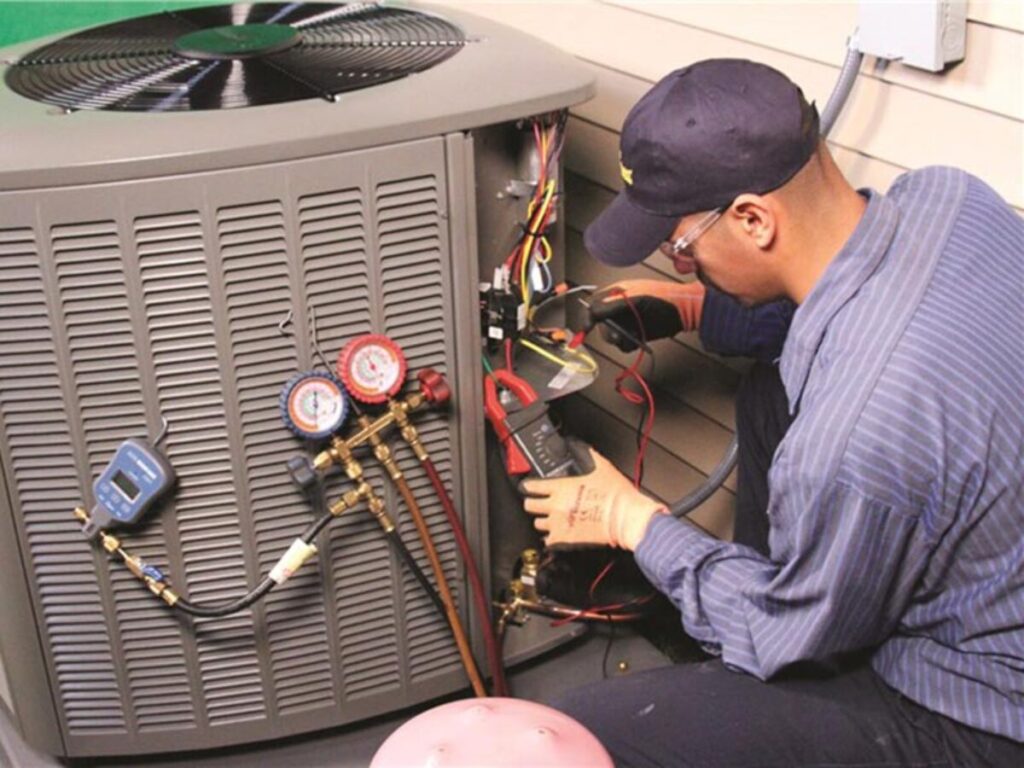
There are several signs that your HVAC (heating, ventilation, and air conditioning) system may need to be replaced. Here are a few of the most common indicators:

Age

HVAC systems typically have a lifespan of 10-15 years, so if your system is approaching or exceeding this age range, it may be time to consider a replacement.

High Energy Bills

If your energy bills have been steadily increasing despite your efforts to reduce energy consumption, it may be due to an inefficient HVAC system that is struggling to keep up with demand.

If your HVAC (Heating, Ventilation, and Air Conditioning) system is causing high energy bills, there are a few things you can do to address the issue:

Check your air filters: Dirty or clogged air filters can cause your HVAC system to work harder than necessary, which can increase your energy bills. Make sure to check and replace your air filters regularly.

Schedule maintenance: Regular maintenance of your HVAC system can help ensure that it is running efficiently. Hire a professional technician to inspect and service your HVAC system at least once a year.

Adjust your thermostat: Make sure your thermostat is set at an appropriate temperature. Setting it too high or too low can cause your system to work harder and increase your energy bills.

Insulate your home: Poor insulation can cause your HVAC system to work harder than necessary. Make sure your home is properly insulated, especially in the attic and walls.

Consider upgrading your system: If your HVAC system is old or inefficient, it may be time to consider upgrading to a more energy-efficient model. Newer models can save you money on your energy bills in the long run.

Frequent Repairs

If you find yourself frequently calling for repairs or maintenance on your HVAC system, it may be a sign that it is nearing the end of its useful life.

Inconsistent Temperatures

If you notice that some rooms in your home are consistently colder or hotter than others, it may be a sign that your HVAC system is no longer able to distribute air evenly throughout your home.

Here are a few potential causes:

Dirty air filters: If your HVAC air filters are dirty or clogged, they can restrict airflow and make it difficult for your system to distribute air evenly throughout your home. This can result in inconsistent temperatures.

Leaky ductwork: If there are leaks or gaps in your HVAC ductwork, it can cause the air to escape, making it difficult for your system to distribute air evenly. This can result in inconsistent temperatures.

Thermostat issues: If your thermostat is malfunctioning or not calibrated correctly, it can cause your HVAC system to run longer or shorter than it should, resulting in inconsistent temperatures.

Improperly sized HVAC system: If your HVAC system is too small or too large for your home, it can cause inconsistent temperatures.

Blocked vents: If your vents are blocked by furniture, curtains, or other objects, it can restrict airflow and cause inconsistent temperatures.

Strange Noises

Unusual noises coming from your HVAC system, such as rattling, banging, or squeaking, may be a sign of a serious problem that requires attention.

Here are a few potential issues that could cause strange HVAC noises:

Loose or damaged parts: If parts inside your HVAC system are loose or damaged, they may vibrate or scrape against each other, causing unusual sounds.

Clogged air filter: An Atlanta Commercial HVAC business told me a dirty air filter can cause your system to work harder than necessary, leading to unusual sounds.

Faulty fan motor: If the fan motor is malfunctioning, it may produce grinding, squeaking, or other unusual sounds.

Refrigerant leak: A refrigerant leak can cause a hissing or bubbling sound.

Ductwork issues: If your HVAC ductwork is poorly installed or damaged, it can cause a whistling, rattling, or banging noise.

Poor Air Quality

If you or members of your household are experiencing respiratory issues or allergies, it could be due to poor air quality caused by a malfunctioning HVAC system.

If you notice any of these signs, it may be time to consult with an HVAC professional to determine whether your system needs to be repaired or replaced.

When Would You Need a Jacksonville Litigation Lawyer?

need Litigation attorney

A Jacksonville litigation lawyer would be needed when you or your business are involved in a legal dispute that is likely to go to court. Litigation lawyers specialize in representing clients in lawsuits and other legal proceedings, and can assist in navigating the complex rules and procedures of the legal system.

Some common situations where a Jacksonville litigation lawyer may be needed include:

Contract disputes: If you or your business are involved in a contract dispute, a litigation lawyer can help you negotiate a resolution or represent you in court if necessary.

If you find yourself in a contract dispute, there are several steps you can take to resolve the issue. First, review the contract carefully to understand the specific terms and obligations of each party. Next, attempt to negotiate a resolution directly with the other party or parties involved in the dispute.

If negotiation fails, consider alternative dispute resolution methods, such as mediation or arbitration. Mediation involves a neutral third party who helps the parties reach a mutually acceptable resolution, while arbitration is a more formal process that involves a neutral third party who makes a binding decision on the dispute.

If all else fails, you may need to seek legal action and file a lawsuit to resolve the contract dispute in court. In this case, it’s essential to consult with an experienced contract lawyer who can guide you through the legal process and help protect your interests.

Personal injury claims: If you are injured in an accident and are seeking compensation from the responsible party, a litigation lawyer can help you navigate the legal process and advocate for your rights.

Personal injury claims can arise from a variety of incidents, including car accidents, slip and falls, medical malpractice, defective products, and workplace accidents. To pursue a personal injury claim, the plaintiff typically files a lawsuit against the responsible party, known as the defendant. The lawsuit seeks to prove that the defendant’s actions or inactions caused the plaintiff’s injuries and that the plaintiff is entitled to compensation.

A Jacksonville Litigation attorney told me personal injury claims can be complex, and the legal process can vary depending on the circumstances of the case and the jurisdiction in which it is filed. It is important for anyone considering a personal injury claim to seek the advice of an experienced attorney who can guide them through the process and help them achieve the best possible outcome.

Employment disputes: If you are involved in an employment dispute, such as wrongful termination or discrimination, a litigation lawyer can help you understand your legal options and represent you in court if necessary.

Some common examples of employment disputes include:

Discrimination: This occurs when an employee is treated unfairly based on their race, gender, age, religion, national origin, or disability.

Harassment: This includes any unwelcome behavior from an employer or coworker that creates a hostile work environment for the employee.

Wrongful termination: If an employee is fired for illegal reasons, such as retaliation or discrimination, this can lead to a dispute.

Wage and hour violations: This includes situations where an employee is not paid minimum wage, overtime, or is not given proper meal and rest breaks.

Breach of contract: This occurs when an employer fails to fulfill the terms of a contract with an employee.

If an employment dispute arises, it is important to first try to resolve the issue through communication and negotiation. However, if this is not possible, there are legal options available, such as filing a complaint with the Equal Employment Opportunity Commission (EEOC) or pursuing a lawsuit. It is recommended to seek the advice of an experienced employment lawyer to determine the best course of action.

Real estate disputes: If you are involved in a dispute over property ownership or a real estate transaction, a litigation lawyer can help you navigate the legal system and protect your rights.

Real estate disputes can arise between various parties involved in a real estate transaction, such as buyers, sellers, real estate agents, brokers, lenders, and tenants. Some common types of real estate disputes include:

Breach of contract: When one party fails to fulfill the terms of the contract, such as a failure to pay, failure to deliver the property, or failure to perform repairs.

Property damage: When a property is damaged during a transaction, such as during a home inspection, or by a tenant.

Boundary disputes: When the boundaries of a property are unclear, or when a neighbor encroaches on another’s property.

Title disputes: When there are questions or issues with the legal ownership of a property, such as when multiple parties claim ownership.

Disclosure disputes: When a seller fails to disclose material defects in the property, such as water damage or foundation issues.

If you find yourself in a real estate dispute, it is recommended that you seek the advice of a qualified attorney who specializes in real estate law to help you navigate the legal process and protect your interests.

In general, if you are facing a legal dispute that is likely to end up in court, it is a good idea to consult with a Jacksonville litigation lawyer to understand your legal rights and options.