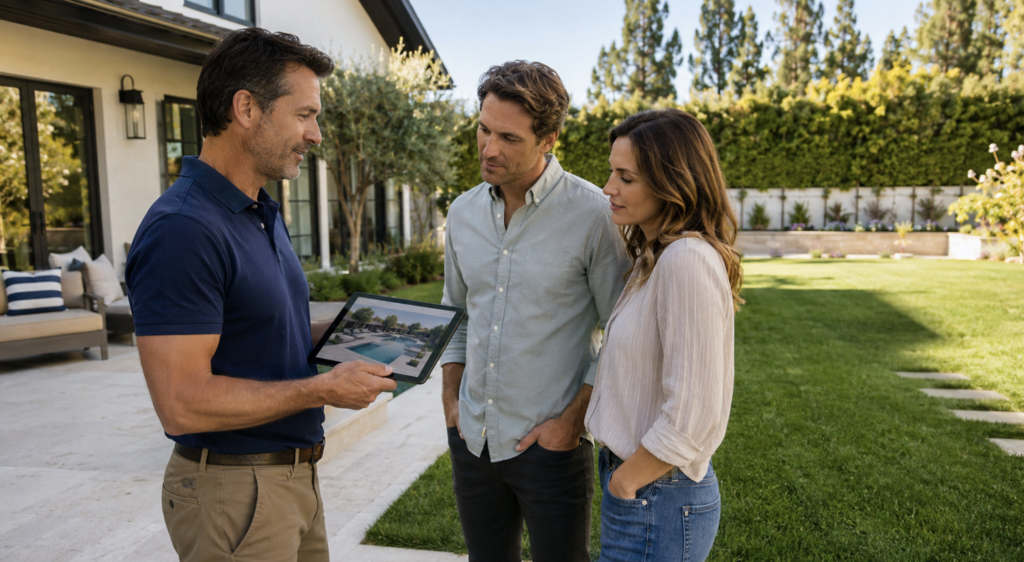
Across California’s Peninsula, homeowners are looking beyond ordinary backyard improvements and planning outdoor spaces that feel like private resorts. A swimming pool is increasingly viewed as the centerpiece of a complete outdoor environment—one that may include patios, shade structures, outdoor kitchens, fire features, gardens, lighting, and comfortable gathering areas.
The months before summer are especially important for homeowners considering this type of project. Pool planning involves more than selecting a shape and a finish. Property conditions, permits, engineering, drainage, access, utility locations, safety requirements, landscaping, and equipment all influence the final result. Starting early gives homeowners more time to make informed decisions rather than rushing through a major investment.
California’s Peninsula includes communities with distinct terrain, architecture, lot sizes, microclimates, and local building requirements. The broader geographic diversity described in this overview of California helps explain why a design that works beautifully in one part of the state may need significant adjustments for a Peninsula property. A successful pool should respond to its specific home, neighborhood, landscape, and surroundings rather than follow a one-size-fits-all formula.
That combination of warm-weather anticipation and detailed project planning is driving more homeowners to begin their contractor searches before summer arrives. ☀️
Summer Enjoyment Begins with Early Planning
A completed pool may look effortless, but the work behind it requires careful coordination. Site evaluations, design development, material selections, permit preparation, excavation, plumbing, electrical work, structural construction, decking, safety features, equipment installation, inspections, and landscaping must come together in the correct order.
Homeowners who begin the process early have more time to explore design possibilities and understand how the pool will affect the entire property. They can consider sun exposure, shade, privacy, outdoor circulation, seating, existing trees, views from inside the house, and connections between the pool and other outdoor features.
Early planning also creates room for practical adjustments. A concept may need to change after reviewing setbacks, utility lines, grading, drainage, or access for construction equipment. Those changes are easier to manage during the design stage than after work has started.
The goal is not simply to finish before the hottest days arrive. The goal is to create an outdoor space that feels intentional, functions smoothly, and continues serving the household for years.
Peninsula Properties Require Site-Specific Design
The California Peninsula contains established neighborhoods, hillside homes, compact urban lots, expansive estates, and properties surrounded by mature landscaping. These differences make local experience especially valuable.
A narrow lot may require creative pool placement and carefully planned construction access. A sloped property may call for retaining structures, elevated decking, terraced landscaping, or additional drainage planning. Mature trees can affect excavation, root protection, shade, maintenance, and long-term planting decisions. Coastal air, wind exposure, and local temperature patterns may also influence material and equipment choices.
Homeowners searching for Pool Contractors Near Me Peninsula Area are often looking for more than convenient proximity. They need professionals who understand how pool construction fits into the larger landscape and how a design can be adapted to the Peninsula’s varied residential settings.
A pool should feel connected to the home rather than added as an isolated object. Its lines, materials, elevation, and surrounding features should complement the architecture. A contemporary home may benefit from clean geometry and restrained materials, while a traditional property may call for softer shapes, natural stone, layered planting, and quieter transitions.
Permits and Local Requirements Shape the Timeline
Permitting is a major reason homeowners benefit from starting before summer. Local requirements can affect pool placement, setbacks, barriers, alarms, drainage, structural plans, electrical systems, and other construction details.
The County of San Mateo’s pool and spa permit information confirms that pool and spa projects can require formal review. The county also explains that swimming pools may involve additional property-specific verifications depending on the scope and location of the work.
Requirements can vary between counties and cities. The City of San José’s swimming pool, spa, and hot tub guidance states that pools or recreational water structures deeper than 18 inches generally require a building permit and must meet applicable safety regulations.
An experienced contractor can help organize the information needed for review and account for permitting in the proposed schedule. This does not remove the possibility of revisions or local processing delays, but it gives the project a more realistic foundation.
Homeowners should also remember that obtaining a permit is only one part of compliance. Inspections may occur during different construction phases, and certain work must remain accessible until it has been reviewed.
Contractor Licensing Protects California Homeowners
California homeowners should verify contractor licensing before signing an agreement or authorizing work. Pool construction involves structural, plumbing, electrical, mechanical, and safety considerations, making contractor qualifications especially important.
The California Contractors State License Board provides specific guidance for selecting a swimming pool contractor. The agency advises consumers to understand who is presenting the contract, review licensing information, and approach the hiring process carefully.
California’s C-53 classification covers contractors who construct swimming pools, spas, and hot tubs. Depending on the full scope of a project, additional licensed trades or appropriately classified contractors may also participate.
A responsible selection process includes reviewing the written scope, confirming insurance information, understanding the payment schedule, examining warranties, and documenting agreed-upon materials. Homeowners should retain copies of contracts, plans, approvals, change orders, payment records, photographs, warranties, and correspondence.
The CSLB also provides important payment guidance for swimming pool construction. Its consumer information states that the down payment on a pool contract is limited to 10 percent of the contract price or $1,000, whichever is less. The agency further advises homeowners not to let payments get ahead of completed work.
Careful documentation may feel less exciting than selecting tile or planning a sun shelf, but it remains one of the most valuable parts of a well-managed home improvement project.
Modern Pools Must Balance Beauty and Water Efficiency
California homeowners are increasingly considering how a pool will use and retain water. Efficient design does not require sacrificing beauty. It involves choosing systems and maintenance practices that reduce unnecessary loss while supporting a clean, enjoyable swimming environment.
The U.S. Environmental Protection Agency’s pool water-efficiency guidance explains that pools can lose water through evaporation, leaks, cleaning, and splashing. The agency identifies pool covers, leak monitoring, thoughtful equipment choices, and proper maintenance as practical ways to conserve water. It also reports that a properly used pool cover can prevent as much as 95 percent of evaporation.
Water-conscious planning can begin before construction. Pool size, surface area, wind exposure, refill systems, filter selection, surrounding plant material, irrigation, and hardscape drainage can all affect ongoing resource use.
A well-designed landscape can strengthen the same strategy. The California Department of Water Resources notes that a substantial share of household water use occurs outdoors and encourages climate-adapted planting, improved soil conditions, efficient irrigation, and watering schedules based on actual plant needs.
For Peninsula homeowners, this creates an opportunity to design the pool and landscaping as one coordinated system. Drought-tolerant planting, efficient irrigation zones, permeable areas, shade, and intentional drainage can contribute to an outdoor environment that looks polished without depending on excessive water use. 💧
Energy Performance Is Becoming Part of Pool Design
Pool equipment affects energy use long after construction is finished. Pumps, heaters, automation systems, lighting, water features, and attached spas all contribute to operating costs.
Homeowners planning renovations in California are already seeing greater attention placed on efficient systems throughout the house. The California Energy Commission’s 2025 Building Energy Efficiency Standards apply to permit applications submitted on or after January 1, 2026. The standards expand energy-efficiency and electrification measures for covered building projects.
Not every provision applies directly to every pool project, but the direction of California home improvement is clear. Energy performance is becoming a more important design consideration.
Homeowners can discuss variable-speed pumps, efficient heating options, automated schedules, LED lighting, insulation for heated features, and covers that help retain heat. Equipment should be sized for the actual pool rather than selected only by maximum capacity.
Thoughtful equipment planning can also reduce noise. Proper placement, screening, ventilation, and access for maintenance help prevent the mechanical area from interfering with patios, bedrooms, neighboring properties, or outdoor conversation spaces.
The Best Results Treat the Entire Yard as One Project
A pool can dominate a yard when the surrounding space is treated as an afterthought. The strongest designs establish relationships between the pool, house, patios, doors, walkways, planting areas, and views.
This whole-property approach influences daily use. Swimmers need comfortable paths between the house and pool. Guests need places to sit without blocking circulation. Dining areas need appropriate separation from splashing. Outdoor kitchens require utility planning. Fire features need safe placement. Trees and structures should create shade without overwhelming the space.
Materials also need continuity. Pool coping, decking, steps, walls, and nearby architectural surfaces should work together. That does not require using one material everywhere. It requires a controlled palette with complementary textures and colors.
Landscape design softens the finished construction and gives the pool a sense of place. Layered planting can increase privacy, frame views, reduce the visual weight of hardscape, and create seasonal interest. Plant selection should account for root behavior, leaf drop, water needs, mature size, and proximity to the pool.
When the pool contractor and landscape team coordinate their work, homeowners are less likely to encounter awkward transitions, drainage conflicts, misplaced utilities, or planting areas that were never properly integrated into the design.
Wildfire Awareness Influences Outdoor Improvements
Some Peninsula communities are located near hills, open space, or areas with elevated wildfire concerns. Outdoor improvements in these settings should be planned with awareness of defensible space, vegetation management, and fire-resistant materials.
CAL FIRE’s home-hardening guidance describes the use of fire-resistant building materials, safe landscaping practices, and preventive measures that can improve a property’s resilience.
A pool does not replace defensible-space planning. Surrounding decks, fences, storage areas, plants, mulch, furniture, and structures still require careful consideration. Homeowners can discuss ignition-resistant materials, plant spacing, maintenance access, and the placement of combustible items with qualified professionals.
This is another reason a complete landscape perspective matters. A visually impressive yard should also respond responsibly to the conditions surrounding the property.
Homeowners Are Prioritizing Spaces That Support Daily Life
The demand for pools is connected to a broader shift in how people use their homes. Outdoor areas now serve as extensions of indoor living spaces. Families gather outside for meals, exercise, relaxation, celebrations, and quiet time.
A thoughtfully planned pool can support several of these activities without making the yard feel crowded. Shallow lounging areas create space for relaxation. Open swimming zones support exercise and play. Integrated spas provide year-round use. Nearby seating allows people to enjoy the area without entering the water.
The most successful projects reflect the household’s real habits. A family-focused yard may need visibility from the house, generous deck space, durable materials, and organized storage. A quiet retreat may prioritize privacy, planting, subtle lighting, and calming water movement. A home designed for entertaining may need multiple seating areas, serving space, shade, and convenient circulation.
Designing around actual use produces a better long-term result than adding features simply because they are fashionable.
Conclusion
The surge in pre-summer searches for pool contractors reflects more than seasonal excitement. California Peninsula homeowners understand that a successful pool project requires design planning, local knowledge, permit coordination, licensed construction, efficient equipment, responsible water use, and integration with the surrounding landscape.
Beginning early gives homeowners time to evaluate their property, compare qualified professionals, review design options, understand local requirements, and make decisions without unnecessary pressure. It also encourages a broader view of the project. Instead of treating the pool as a separate installation, homeowners can create a complete outdoor setting that supports comfort, beauty, safety, and everyday living.
The best pool projects feel as though they have always belonged to the property. Their materials complement the home, their placement makes sense, their landscaping feels established, and their features serve a clear purpose. With careful preparation and an experienced team, a Peninsula backyard can become a lasting extension of the home and a place where summer begins the moment the door opens. 🌿